What Makes Selvedge Denim Different? A Close Look at the Construction
Selvedge denim isn't just about the red line—it's the construction. I take a pair apart to show you what makes this fabric last.
I’ve taken apart a lot of jeans. Cheap ones that fray the first wash, mid-range pairs that hold up a year, and a few that still look new after five. Every time, the same thing separates the ones that last from the ones that don’t: **selvedge denim**. Not because selvedge is magic, but because the construction around it is different. Let me show you what I mean.
The Selvedge ID: What That Edge Actually Tells You
If you’ve seen a pair of jeans with a clean, finished edge on the outseam—usually with a colored thread running through it—you’ve seen selvedge. That edge comes from the way the denim is woven on vintage shuttle looms. The fabric is woven in a continuous tube, and the edge is self-finished—no extra stitching needed. When I cut open a pair of selvedge jeans, I can usually spot the difference before I even reach for my seam ripper. The outseam is cleaner, tighter. The fabric doesn’t unravel the way conventional denim does.
But the real story isn’t the edge itself. It’s what that edge represents: a slower, more deliberate way of making fabric. Shuttle looms produce narrower fabric—about 30 inches wide—which means more waste and higher cost. But the weave is denser, the yarns are tighter twisted, and the fabric has a texture you can feel in your hands.

The Construction: Why Selvedge Denim Is Built Differently
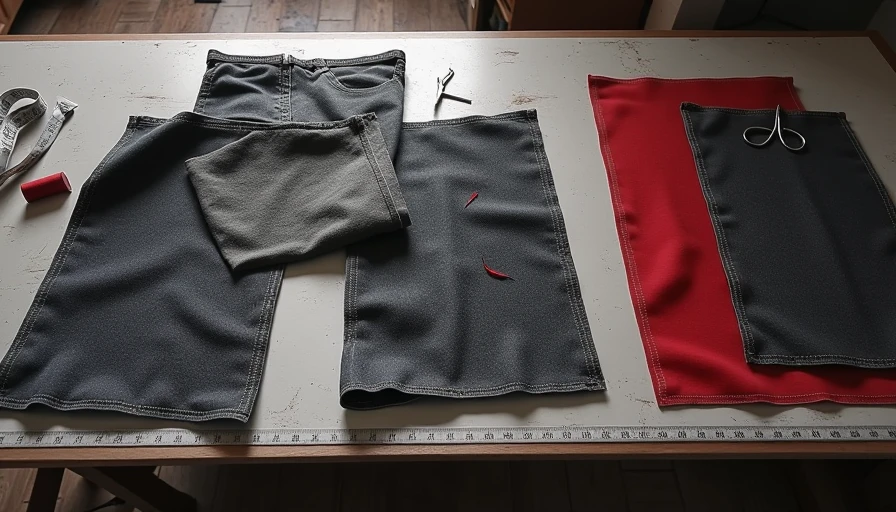
When I take apart a pair of selvedge jeans, I look at three things: the button fly, the chain-stitched hem, and the pocket construction. Most selvedge denim brands use a button fly instead of a zipper. I’ve seen why. Button flies hold up longer—the hardware is thicker, and there’s less plastic to crack. On a recent pair I dissected, the buttons were copper-plated and stamped with the brand’s logo. The rivets were solid brass, not the hollow kind you find on fast-fashion jeans. I spent an afternoon replacing a rivet on a pair of regular denim once, and it took twenty minutes. On selvedge denim, I wouldn’t expect to need to.
Then there’s the hem. A proper selvedge jean has a chain-stitched hem, which is more elastic and doesn’t snap the way a lock-stitch does. I’ve seen chain-stitch hems fray, sure, but they fray slowly. The thread wraps around the fabric edge instead of biting into it. That small detail alone can add months—sometimes years—to the life of a pair of jeans.
What I Look for When Buying Selvedge Denim
I don’t care about the brand name. I care about the fabric weight, the hardware, and the stitching. A 14-ounce selvedge denim is a good everyday weight—heavy enough to drape well, light enough to break in without a month of suffering. Anything above 16 ounces takes real commitment, but the fades are incredible. I’ve handled a 21-ounce pair from a Japanese mill, and the fabric felt like armor. You don’t buy that for comfort; you buy it because you want something that will outlast you.
The hardware tells you a lot. On the last pair I took apart, the buttons had a raised edge—a sign they were cast, not stamped. The rivets were copper and actually patinaed after a few weeks. Cheap jeans use thin aluminum that flakes. If you can, visit a store that carries selvedge denim and flip a pair inside out. Look at the stitching on the inner seams. If the thread is a cotton-poly blend and the tension is even, you’re in good hands.
The Downside: Selvedge Denim Isn’t Perfect
I’ll be straight with you: selvedge denim is expensive—usually $200 to $400 a pair. It’s also stiff when new. You can’t just buy a pair and expect them to feel like sweatpants. They need a break-in period—wear them every day for a month, don’t wash them for the first few weeks, and let the denim mold to your body. Some people call that a hassle. I call it a ritual.
There’s also the fact that not all selvedge is good selvedge. I’ve seen pairs that use cheap denim with a fake red edge—just a strip added after the fact. If you hold it up to the light and the selvedge line looks glued or uneven, walk away. Real selvedge denim comes from the mill, not a sewing machine.
Why It Matters
I’ve been wearing the same pair of selvedge jeans for three years now. They’ve been to the Cascades, through a Portland winter, and under my sewing machine while I patched a hole in the knee. They’re not perfect—they’ve got a few loose threads and a light fade pattern that looks like my bike chain. But they’re still holding up. The crotch hasn’t blown out, the rivets are still tight, and the hem hasn’t unraveled. That’s not luck. That’s construction.
Good things last. Bad things don’t. Selvedge denim is one of those good things.
Quick Checklist: Is Your Selvedge Denim the Real Deal?
If you’re about to invest in selvedge denim, here’s a quick checklist to confirm you’re getting the real article. Run through these five points:
- **Check the outseam.** Flip the jeans inside out. The outseam should have a clean, finished edge with a visible colored selvage thread—usually red, but sometimes white, green, or blue. If the edge looks like it was cut straight or has fraying, it’s not true selvedge.
- **Feel the weight.** Most authentic selvedge denim weighs between 12 and 21 ounces. Pick up the jeans. Good selvedge feels heavier than it looks. If the fabric feels flimsy or paper-thin, it’s likely not shuttle-loom-woven.
- **Examine the hardware.** Look at the buttons and rivets. Real selvedge jeans use thick, solid hardware—often copper or iron. The rivets should be heavy and may show signs of patina after wear. Cheap hollow metal is a red flag.
- **Look for a chain-stitch hem.** The hem of the leg opening—and often the waistband—should have a chain stitch, which looks like a series of loops along the edge. This stitch allows the hem to stretch slightly and resists fraying.
- **Check the price and origin.** Genuine selvedge denim rarely costs under $150. Reputable mills like Cone Mills (USA), Kaihara (Japan), or Candiani (Italy) produce quality fabric. If the jeans are under $100 and claim to be selvedge, inspect them closely for shortcuts.
That checklist takes five minutes in a shop and can save you from buying a pair that looks right but won’t hold up. The real thing is worth the money—provided you know what to look for.
*— Silas*