How to Find Quality at a Vintage Wear Shop: What to Look For
Learn how to spot quality construction and durable fabrics when you visit a vintage wear shop. Avoid common pitfalls and find timeless pieces that last for...
When you walk into a vintage wear shop, it's easy to get overwhelmed by the racks. But if you take a moment to look closely, you can tell which pieces were made to last and which ones won't hold up. Over the years, I've taken apart dozens of vintage garments—jeans, jackets, shirts—and I've learned what separates solid construction from fast-fashion garbage. Here's what I look for.
Why Quality Matters
A good vintage piece isn't just about style—it's about durability. A well-made jacket from the '70s can outlast five modern ones, and the cost per wear drops to nearly nothing. When I buy from a vintage wear shop, I'm not just shopping for a look; I'm investing in something that was built to be repaired, not replaced. That's the difference between a $50 jacket that lasts a decade and a $50 jacket that falls apart in a season.
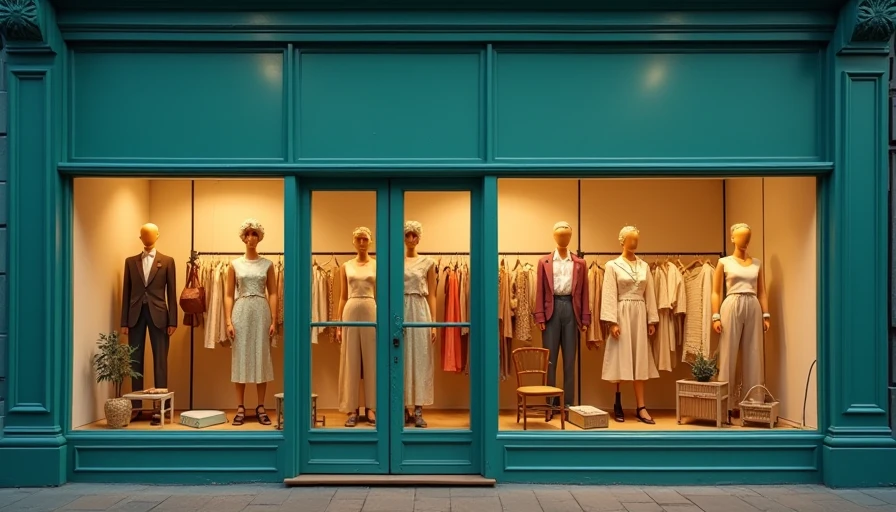
What to Look for in a Vintage Wear Shop
Focus on the details that don't lie. Start with the stitching: look for chain-stitching on hems and bar tacks at stress points. On a pair of vintage Levi's 501s from the '80s, the stitching is dense and even. On a fast-fashion knock-off, you'll see loose threads and skipped stitches. Next, check the fabric—hold it up to the light. Is it tight and even? Feel the weight. A heavy denim or canvas will last. Hardware matters too: YKK zippers from the '60s are still smooth, while modern cheap zippers bind. A good vintage wear shop will have pieces with solid hardware you can test.
Red Flags to Avoid
Not everything old is good. Avoid pieces with frayed seams near the crotch or armpits—that's a sign the fabric is fatigued. Stains are one thing, but thin, worn-out fabric won't hold a repair. Also, watch for cheap zippers that don't have a brand name. If the zipper feels flimsy in a vintage wear shop, skip it. And check the inside of the garment: a clean, finished interior with flat-felled seams is a sign of quality. Unfinished edges mean it was made quickly.
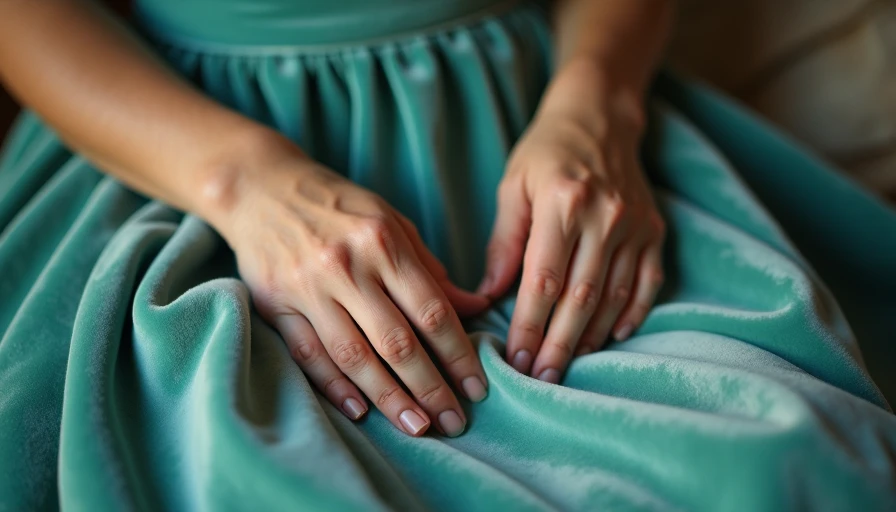
How to Test Fabric Quality
You don't need a magnifying glass. Pinch the fabric and twist it—does it spring back? If it stays wrinkled, it's likely low-quality cotton or a synthetic blend. For denim, look for a white weft (the horizontal threads) and a blue or black warp. That's classic indigo. Hold the fabric up to the light—if you see uneven slubs, that's character. If you see thin spots, that's weakness. A good vintage wear shop will let you handle the garments, so take your time.
Common Questions About Vintage Shopping
**How do I tell if a piece is truly vintage?** Look at the tags and construction. Union labels, care tags with limited information, and metal buttons often point to pre-1990s. But don't get hung up on age—quality matters more than the year.
**Should I buy online or at a physical vintage wear shop?** In person, you can feel the fabric and check seams. Online, you rely on photos. Both can work, but nothing beats handling it yourself.
**Can I haggle at a vintage wear shop?** Some shops do, some don't. Be polite and ask if they're flexible, especially on items that have been there a while.
Final Thoughts
A great vintage wear shop is a treasure hunt. You won't find something perfect every time, but when you do, it's worth the wait. Good things last. Bad things don't. Take your time, look at the details, and you'll walk out with pieces that will serve you for years.
I've taken apart enough jackets and jeans to know what works. Next time you're at a vintage wear shop, give the stitching a close look. That's where the story really is.
A Quick Checklist for Your Next Vintage Wear Shop Visit
To make the most of your time at a vintage wear shop, come prepared with a mental checklist. This will keep you focused and help you spot high-quality pieces quickly. Here are the key things to check on any garment you're considering:
- **Seams and stitching:** Look for tight, even stitches with no skipped loops. Double stitching at stress points like armholes and crotch is a good sign. If you see frayed threads or loose seams, put it back.
- **Fabric condition:** Run your hand over the fabric. It should feel substantial and smooth, not thin or fuzzy. Hold it up to the light—if you see thin patches, the fabric is worn out and won't last.
- **Zippers and hardware:** Test the zipper several times. A quality zipper like YKK or Talon will glide smoothly. Check buttons for cracks or mismatches; original buttons add to the value.
- **Odor and stains:** A slight musty smell is normal and can be fixed with airing or dry cleaning. But strong smoke, mildew, or chemical smells are harder to remove. Stains are okay if they're minor, but large or set-in stains might ruin the piece.
- **Lining and interior:** For jackets and coats, check the lining. If it's torn or frayed, the cost to repair might outweigh the savings. Inside seams should be finished with flat-felled or double-stitched seams—a hallmark of quality.
- **Overall fit and proportion:** Don't buy something just because it's cheap. Try it on if possible. Vintage sizing is different from modern, so pay attention to actual measurements, not label size. A well-fitting piece will look better and be more comfortable.
Running through this checklist takes only a minute per item, but it can save you from buying a dud. A vintage wear shop has gems hidden among the mediocre—use these tips to find the real treasures.