Tyrolean Shoes: A Closer Look at Construction and Craft
Tyrolean shoes combine alpine tradition with rugged construction. I took apart a vintage pair to examine the stitching, leather, and sole—here's what I found.
I've always been curious about tyrolean shoes. Not the costume kind you see in tourist shops—but the real ones, built for alpine farms and mountain trails. So I found an old pair at a thrift store and took them apart. Here's what I learned.
What Are Tyrolean Shoes?
Tyrolean shoes come from the Alpine region, traditionally worn with lederhosen or as sturdy workwear. The name itself comes from the Tyrol region, which spans parts of Austria, Germany, and Italy. These shoes were originally worn by farmers and hunters. They needed boots that could handle wet grass, rocky trails, and cold mornings. The design reflects that purpose.
They have a distinctive look—low cut, thick leather, often with a welted sole and brass details. But beyond the style, the construction is what sets them apart. A well-made pair should feel heavy in the hand, with no shortcuts in the materials.
The pair I found was unmarked, but the styling suggests 1960s Austrian or German manufacture. The leather was dry but not cracked. The soles were worn, but the welt was intact. That's a good sign. The first thing you notice is the weight—they sit heavy in your hand, promising substance.
Taking Them Apart
I started by cutting the stitching around the welt. The thread was tough—maybe waxed linen or nylon. I used a seam ripper and a small knife. Once the welt separated, I could lift the outsole. Underneath, there was a leather midsole and a nailed insole. The insole had rows of tiny brass nails, each one clinched over. The outsole itself was leather with a rubber half-sole screwed on. The half-sole had been replaced at least once.
Next, I removed the heel. It was made of five layers of compressed leather, each about 3 mm thick. They were nailed together, and the nails were peened on the inside to prevent them from loosening. The rubber top lift was worn but not beyond repair.
The upper separated easily from the insole. The lining was full-grain leather, not split—rare in any shoe under $300 today. Between the insole and the midsole, there was a layer of cork dust, about 2 mm thick, mixed with wax. It was once pliable but had hardened over the decades. The heel counter was stiff, reinforced with a thick piece of vegetable-tanned leather. I could see the impression of the last maker's stamp, but it was too worn to read.
Construction Details
Stitching
The upper used a lock stitch, about 7 stitches per inch. The thread was a heavy bonded nylon, still strong after decades. I also noticed that the upper thread was not waxed, but the welt thread was heavily waxed—a sensible detail for weather resistance. The welt stitching was also a lock stitch, with a different, waxed thread. The welt was stitched to both the upper and the insole, and additionally nailed every inch. That's overengineering, and I respect it.
Hardware
The eyelets were solid brass, with a subtle patina. The original laces were long gone, replaced with flat cotton. But the eyelets showed no rust. The heel plate had two screws, not nails—another sign of thoughtful repairability.
Leather
The upper was about 4.5 oz cowhide, oil-tanned. It was thick but had developed a nice patina: darker around the edges and the toe, lighter on the vamp. The lining was thinner, maybe goat or calf, about 2 oz, and supple. The insole was vegetable-tanned, dense and stiff. No loose grain or creasing anywhere—consistent with good hide selection.
Under the Hood — The Sole and Welt
The sole construction is where these shoes shine. The leather outsole absorbs shock and provides a natural feel underfoot. The rubber half-sole gives grip on wet pavement. But the real genius is the welt: it allows the outsole to be replaced without harming the upper. That's why a well-made pair of tyrolean shoes can last for decades.
I removed the rubber half-sole by prying off the nails. Underneath, the leather outsole had a thin layer of cork dust and wax—a remnant of the original assembly. The welt was still firmly attached to the insole. The nails were clinched like staples but curved—a technique I've seen in antique boots and military footwear. The rubber half-sole was made by a company called Birk—I think it was a German supplier. It had a diamond pattern that still had good depth.
Signs of Quality
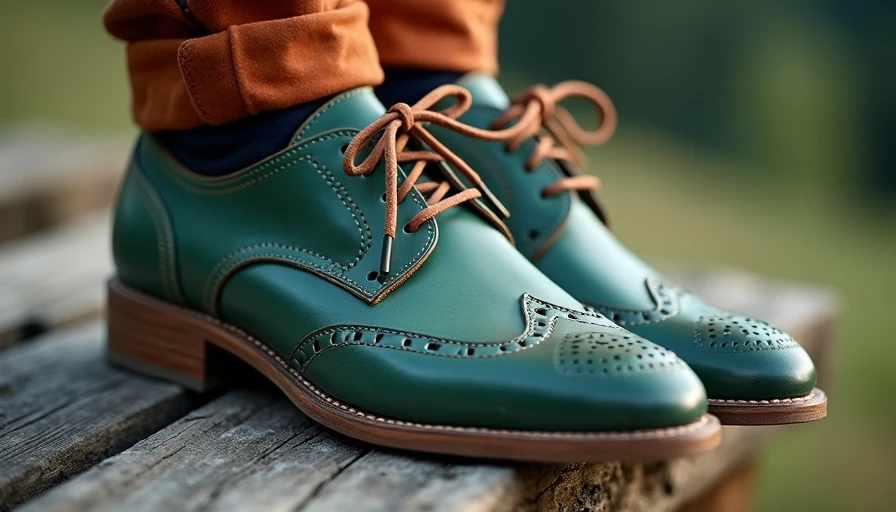
When you pick up a pair of tyrolean shoes, check the welt. It should be a separate strip of leather, not a glued-on fake. Look for nails in the heel and along the shank. The lining should be leather, not fabric. The eyelets should be brass, not painted metal. And the sole should be resolable—meaning you can see distinct layers of leather and rubber. Also check the insole: if it's leather and shows nail heads, that's a good sign. If it's cardboard or fiberboard, the shoe was not built to last.
The pair I found had all these signs. Even after decades in storage, the structure was sound. I spent an afternoon cleaning and conditioning the leather with a mix of neatsfoot oil and wax. Now they're wearable again. If you're looking for a pair, check vintage stores in alpine regions or online auctions. Many are still in good condition because they were built to last.
How They Compare to Modern Shoes
Most modern shoes under $300 use cemented construction. Once the sole wears out, the shoe goes to the landfill. Tyrolean shoes, built the traditional way, are the opposite. You can resole them indefinitely. The full leather lining breathes better than any synthetic mesh. And brass eyelets will never corrode.
The downside? They're heavier and less flexible. Breaking in a pair takes a week or two of daily wear. But once they conform to your foot, they're comfortable for walking all day. Compared to a modern hiking boot, they lack ankle support, but for everyday use or light trails, they're hard to beat. I'd compare these to a pair of Red Wing Iron Rangers, but with a more aggressive sole. The tyrolean shoes are actually lighter because of the lower cut. The leather is comparable. I've seen similar construction in old German army boots. There's a reason military gear lasts—it's built with the same philosophy.
Final Thoughts
If you come across a pair of vintage tyrolean shoes, look for the signs I've described: nailed welt, full leather lining, brass hardware, and a replaceable sole. A pair in good condition can be wearable with minimal repair. It took me about two hours to fully disassemble and then reassemble them with new thread. If you're comfortable with a few basic tools, you can restore a pair yourself. And if you're willing to put in the work, they'll reward you with decades of service.
Good things last. Bad things don't.