Understanding the Parts of a Shirt: A Close Look at Construction
Learn the parts of a shirt and how they affect fit and durability. From collar to cuff, we break down every detail that makes a well-made shirt last for years.
Understanding the Parts of a Shirt: A Close Look at Construction
When you pick up a shirt, you're holding a dozen or so small decisions stitched together. A well-made shirt isn't just about the fabric—it's about how each of the parts of a shirt come together. Over the years, I've taken apart more button-ups than I can count, and I've learned that the best ones share a common language of construction. Let me show you what to look for.
Collar and Cuffs: First Impressions
The collar is the first thing most people notice. On a quality shirt, the collar has a fused interlining that gives it structure without making it stiff. Run your fingers along the points—they should feel crisp, not floppy. The best collars have a removable metal collar bone inside, so you can get that perfect roll without permanent creases.
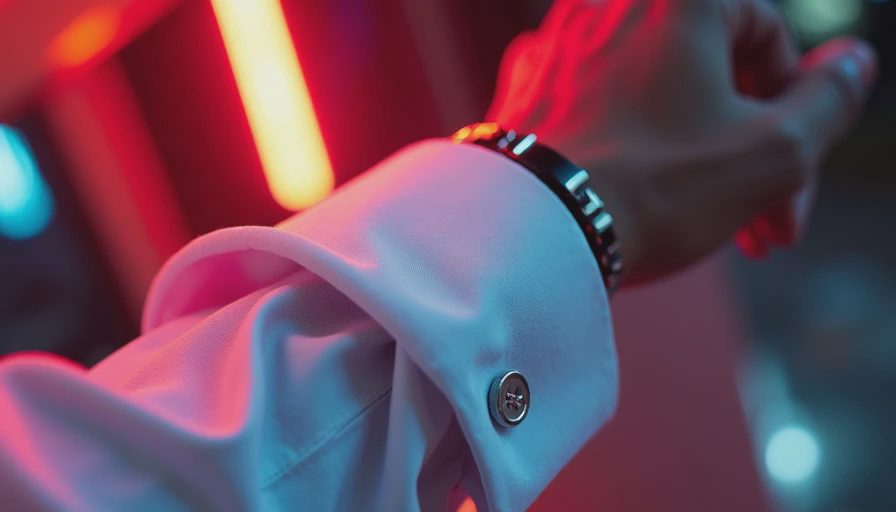
Cuffs are just as telling. A single-button barrel cuff is the standard workhorse, but a double-button cuff (sometimes called a convertible cuff) gives you the option to wear it with cufflinks. Look at the stitching: a well-made cuff uses a single row of stitches close to the edge, with no loose threads. On vintage shirts, I've seen mother-of-pearl buttons that still look good after forty years. That's the kind of detail that tells you the maker cared.
Body and Placket: Where the Work Happens
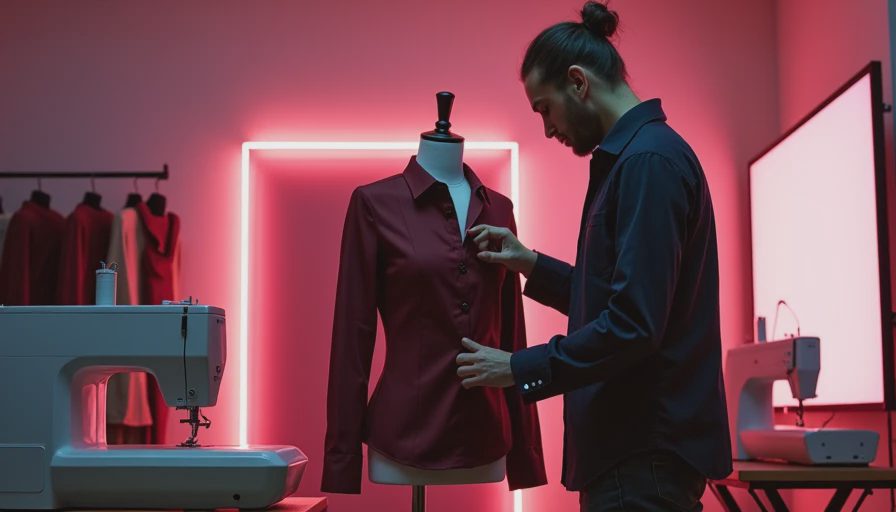
Now move to the front of the shirt. The placket is that strip of fabric holding the buttons. On cheap shirts, it's often sewn on as an afterthought. On a well-constructed garment, the placket is cut in one piece with the shirt front—this is called a French placket or a hidden placket. It lies flat, doesn't gap, and the buttons are reinforced with a cross-stitch or a thread shank. You can flip it over to check: if you see raw edges covered by a separate strip of fabric, that's a sign of good work.
The back of the shirt has a yoke—the panel that runs across the shoulders. A split yoke (two pieces seamed down the middle) is a hallmark of quality. It allows the fabric to adjust to your body shape, and it's harder to do, so shirtmakers only bother when they care about fit. Below the yoke, you'll find side seams. Look for French seams or flat-felled seams, where the raw edges are encased. These take more time than a simple overlock, but they last.
Darts and Pleats: The Fit Details
Darts are those little tucks sewn into the back of a dress shirt. They pull the fabric in at the waist, giving a tapered silhouette. On a casual button-down, you might see darts, but on a classic work shirt, they're rare. Instead, you get a box pleat at the center of the yoke—a fold that allows for extra movement. Some shirts have a shoulder pleat on each side, which does the same thing. These aren't just decorative; they're functional, and they're one of the parts of a shirt that true craftsmen pay attention to.
Buttons and Buttonholes: The Small Stuff
It's easy to overlook buttons, but they're a major durability point. Cheap buttons are wafer-thin plastic that cracks after a few washes. Good ones are thicker, with a slight dome and a smooth edge. I've seen Corozo nut buttons (made from tagua palm) on higher-end shirts—they have a subtle, natural grain that ages nicely. The buttonholes should be tight and evenly spaced. On a quality shirt, the buttonhole at the top (under the collar) is horizontal, not vertical—this keeps the button from slipping out when you move.
Hem and Tail: How It Finishes
The bottom edge of a shirt is called the hem. On a classic dress shirt, the hem is a continuous curve from front to back—a shirttail hem. On a casual shirt, it's often straight. The hem should be sewn with a double-needle stitch, and the side seams should align at the hem. A poorly matched hem is a sign that the shirt was cut carelessly. And don't forget the gusset—a small triangular piece of fabric where the side seam meets the hem. It reinforces the stress point and keeps the shirt from tearing. Not every shirt has it, but the ones that do tend to last.
Putting It All Together
The next time you're shopping for a shirt—whether it's a vintage find or a new purchase—take a few minutes to inspect these details. Check the collar, the placket, the yoke, the seams. A shirt that's built right will reward you with years of use. The parts of a shirt aren't just technical jargon; they're the difference between something you wear once and something you hand down. Good things last. Bad things don't.
Sleeve Plackets and Gauntlet Buttons: The Finishing Details
Most people never give the sleeve opening a second thought, but it is one of the most revealing parts of a shirt. The sleeve placket is the slit at the cuff that lets you roll up your sleeves. There are two main types: the continuous placket (a single strip of fabric folded around the cut) and the separate placket (a separate piece sewn in). The continuous placket is simpler and cheaper; the separate placket is more tailored and lies flatter. On a high-end shirt, you'll often see a gauntlet button—a small button halfway up the placket that keeps the sleeve from sliding up when you roll it. That tiny extra button is a sign that the maker considered how you actually wear the shirt.
The sleeve pitch is another detail that affects fit. It is the angle at which the sleeve meets the armhole. A well-set sleeve hangs naturally without pulling across the bicep or bunching at the shoulder. You can test this by raising your arms: a good shirt allows full range of motion without the body lifting. These smaller details, along with the collar, cuffs, and buttons, complete the picture of what quality looks like. When you inspect a shirt, remember that every one of these parts of a shirt plays a role in how it looks and how long it lasts.