Parka Meaning: What Makes a Real Parka a Worthwhile Investment
Understand the true parka meaning beyond just a jacket. Learn about construction, materials, and what makes a quality parka last for years.
When you hear the word "parka," what comes to mind? For most people, it's a heavy winter coat—something to throw on when the temperature drops. But the parka meaning goes deeper than that. A real parka is a piece of functional clothing with a history rooted in survival and craftsmanship. It's not just about staying warm; it's about understanding what makes a garment last through decades of wear. Let me show you.
The Origins of the Parka
The parka originated with Indigenous peoples of the Arctic, who needed protection from extreme cold and wind. They used animal skins and furs, designing the coat with a hood and a long cut to trap heat. The word "parka" itself comes from the Nenets language. Later, military forces adopted the design—most notably the U.S. Army's M-1951 fishtail parka, which became iconic during the Korean War. That military surplus parka is still highly sought after today, not just for its look but for its rugged construction. The original parka meaning was about survival. Today, it's about quality.
What Defines a Parka Today?
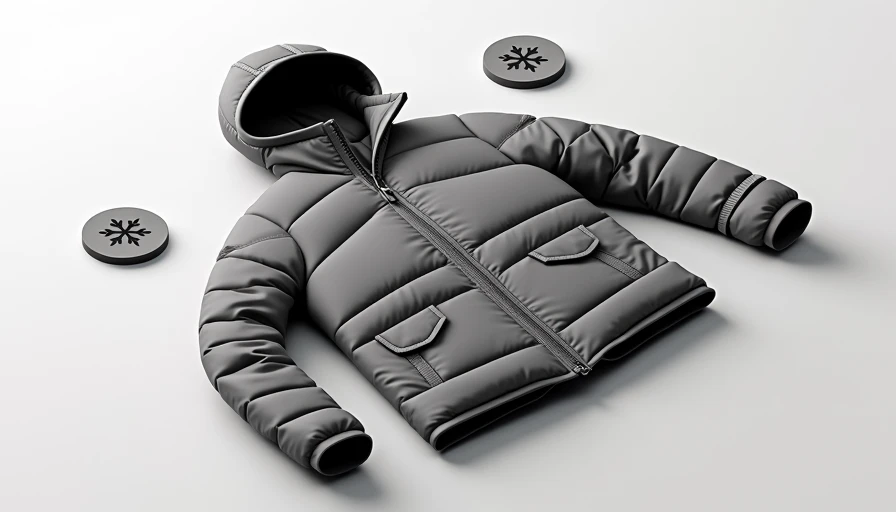
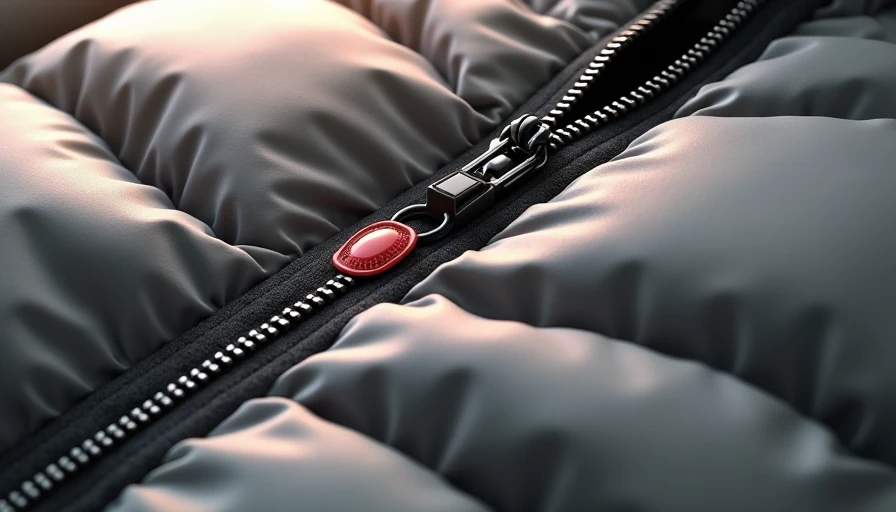
Modern parkas come in many forms, but the core elements remain. A true parka has a hood, often lined with fur or synthetic pile, and extends to at least mid-thigh. The shell is typically made from a durable, water-resistant fabric like nylon or cotton canvas. Insulation can be down or synthetic fill. Brands like Canada Goose and Alpha Industries popularized the parka as a fashion item, but the parka meaning still ties back to function. Look at the stitching: a good parka will have reinforced seams, a heavy-duty zipper, and storm flaps. The hardware matters—snaps and buttons should feel solid, not cheap.
Parka vs. Other Coats
People often confuse parkas with other outerwear. A peacoat is shorter and made of wool. A trench coat is lighter and cinched at the waist. A bomber jacket is waist-length. A parka is distinguished by its length and insulation. It's designed to cover your core and thighs, which is why it's a favorite for cold climates. The parka meaning is rooted in coverage—it's not just a jacket, it's a shelter from the elements. When I take apart a parka, I look at the fill power of the down or the loft of the synthetic insulation. A cheap parka uses low-quality fill that flattens after a season. A good one keeps its shape for years.
What to Look For in a Quality Parka
If you're buying a parka, forget the brand name. Look at the fabric weight. A 60/40 nylon-cotton blend is classic—breathable but weather-resistant. Check the hood adjustment: drawstrings that actually work. Inside pockets for gloves or a phone. The zipper should be a YKK or similar; a broken zipper ruins a coat. The stitching should be tight and straight. I've taken apart parkas from Schott and Filson, and the difference is obvious: double-needle stitching, reinforced stress points, and a liner that's actually sewn in, not just tacked. The real parka meaning is about construction that respects the garment's purpose.
Why the Parka Meaning Matters for Longevity
A parka isn't a fast-fashion buy. It's a piece you own for a decade or more if you choose wisely. The parka meaning also includes care: store it properly, clean it with the right methods. Down needs regular fluffing. Synthetic fill can lose its loft if washed with harsh detergents. I've seen well-made parkas from the 1970s that still look new with proper care. The investment pays off in warmth and durability. Good things last. Bad things don't.
How to Spot a Genuine Parka vs. a Knockoff
Counterfeit parkas flood the market, especially from high-demand brands like Canada Goose and The North Face. A fake parka looks similar at first glance but lacks the real parka meaning: quality construction and genuine insulation. Examine the hood fur: real fur is thick, soft, and has a natural color variation; fake fur feels plasticky or overly uniform. Check the logo patch—genuine brands use precise embroidery with tight, dense stitching. The zipper should be a known brand like YKK or RiRi; knockoffs use generic zippers that snag or break. Inside, the lining and insulation differ. A real parka uses either high-fill-power down or quality synthetic like Primaloft. Fakes often use low-quality polyester that flattens after a few wears. Weight is a clue: a genuine parka is heavy due to the insulation. If it feels suspiciously light, be cautious. Price is another indicator—a genuine parka from a heritage brand costs $500 or more. Anything under $200 is almost certainly a fake or a poorly made coat that won't last. The parka meaning is about long-term value, not a quick fix. Always buy from authorized retailers and check for authenticity tags or serial numbers. I've seen people pay $200 for a fake and regret it after one winter. Don't be that person.
Putting It All Together
So when you search for "parka meaning," you're not just looking for a definition. You're looking for a coat that works, that lasts, that you can depend on. Whether it's a vintage fishtail or a modern parka from a heritage brand, the principles are the same. Fabric, construction, fit—ignore the hype. Learn to spot a well-made parka, and you'll never waste money on another cheap coat. I've got one I wear every winter, and it's older than I am. That's the real parka meaning.