Monitaly Waxed Jacket Review: Taking It Apart to See What's Inside
Our honest review of the Monitaly waxed jacket. We take one apart to show you the construction, wax, and hardware. See if it's worth your money.
I’ve been wearing a **Monitaly waxed** field jacket for six months now. Not every day—it’s too heavy for that—but often enough that the wax has started to soften in the creases. Last week, I took it apart. Not all the way, but enough to see what’s under the shell. Here’s what I found.
Monitaly isn’t a brand you see on every street corner. They’re based in Los Angeles, but the production is split between California and Japan. Their stuff is quiet—no giant logos, no heritage marketing bloat. Just good fabrics and solid construction. The **Monitaly waxed** jacket I bought is a field coat, roughly based on a 1940s US Army M-1941 pattern. But updated in ways that matter.
First Impressions: The Canvas and the Wax
The shell is a 10 oz cotton canvas from Japan. It’s not the stiff, cardboard-like stuff you get on cheap waxed jackets—this one has a slight drape from day one. The wax treatment is a mix of paraffin and beeswax, applied evenly. No sticky spots. It smells like a campfire, but not in a fake way. The hardware is all made in Japan: YKK Excella zippers, donut-style buttons, and a corduroy collar that’s thick without being stiff.
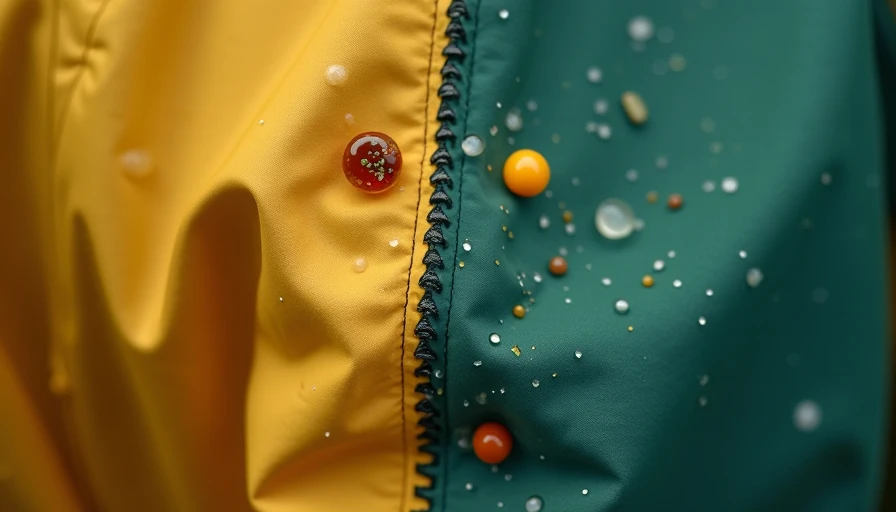
I wore it in a good rainstorm last month. The jacket beaded water for about three hours, then started to wet out in the shoulders. That’s normal. No waxed jacket stays waterproof forever—you have to reapply. But the fabric itself didn’t absorb much water. It dried fast. The arms are lined in a breathable cotton twill, which helps. Unlined arms mean the wax rubs off on your shirts faster.
Taking It Apart: What’s Under the Shell
I only removed the sleeve buttons and a section of the side seam to check stitch density. The whole jacket is sewn with bonded nylon thread, size 16 needle. Stitch count is about seven stitches per inch on the long seams, a little tighter on the collar. That’s reasonable for a jacket in this price range—not as tight as a Barbour, but Barbour also uses a lighter fabric.
The seams are flat-felled on the major panels. That means they overlap and get stitched down on both sides. It’s stronger than a simple seam, and it also helps prevent the wax from seeping through. Inside, the seam allowances are bound with a cotton tape—something I don’t see often on waxed jackets under $500. It keeps the edges from fraying and stops wax from rubbing off on your base layers.
The buttonholes are hand-finished, which is a nice touch. Machine buttonholes on a waxed jacket tend to pucker because the needle pushes wax into the fabric. These are cut clean, with a small reinforcing bar tack at each end. The buttons are horn—real horn, not plastic—and attached with a shank so they sit flat on the fabric.
One detail I appreciated: the gussets under the arms. Most field jackets just have a straight sleeve seam. This one has a diamond gusset that gives you another two inches of reach. It’s sewn with a double-needle chain stitch, which has a little give. Good things last. Bad things don’t. That gusset is the kind of thing that keeps a jacket from blowing out in the armpit after a year of wear.
Fit and Feel: How It Wears
I’m 5’10”, 170 pounds, and I bought a size Medium. It fits trim through the chest but has room for a sweater underneath. The sleeves are a tad long—about an inch past my wrist—which is exactly where I want them on a field jacket. The back has a single box pleat, so you get enough room to raise your arms without the hem riding up.
The wax settles into the fabric over time. After a few weeks, the jacket starts to take on its own patina—scuffs and creases that catch light. You can rewax it if you want, but I like the worn-in look. Just a quick heat from a hair dryer or an iron on low brings back some of the water repellency.
Verdict: Is It Worth It?
Retail on the Monitaly waxed field jacket is around $450. That’s not cheap. But compare it to a Barbour Beaufort at $350, and you’re getting Japanese hardware, hand-finished buttonholes, gussets, and a heavier fabric. Or compare it to a Filson tin cloth jacket at nearly $500, and the Monitaly is lighter and more breathable. It sits in a nice middle ground.
If you want a waxed jacket that’s built to last, and you don’t want to look like every other guy on the block, this is a solid choice. The construction is honest. The materials are good. And after six months of wear and one partial disassembly, I’d say it’ll outlast me if I take care of it. Good things last. Bad things don’t.
How to Rewax Your Monitaly Jacket: A Step-by-Step Checklist
Waxed jackets need maintenance. The factory wax will last about a season of regular use. When the jacket stops beading water or starts looking dry, it’s time to rewax. Here’s the simple process I use for my **Monitaly waxed** jacket:
- **Step 1: Clean the jacket.** Wipe off dirt with a damp cloth. Don’t machine wash—it strips the wax. Let it dry completely.
- **Step 2: Buy the right wax.** Monitaly sells their own wax bar ($15) or you can use Barbour Thornproof or Fjällräven Greenland Wax. I’ve used both; the Monitaly wax is softer and smells better.
- **Step 3: Apply wax.** Lay the jacket flat. Rub the bar across the fabric in a crosshatch pattern. Focus on the shoulders, elbows, and collar—high-wear areas. Use a light hand; you can always add more.
- **Step 4: Heat it in.** Use a hair dryer on medium heat (or an iron on low, no steam). The wax melts into the fibers. You’ll see the fabric darken. Work in sections.
- **Step 5: Hang and test.** Hang the jacket overnight to cure. The next day, sprinkle water on it. If it beads up, you’re good. If not, apply another thin layer.
This process takes about 30 minutes and costs nothing but the wax. Do it once a year, and your **Monitaly waxed** jacket will outlive your hiking boots. I’ve rewaxed mine twice already. It keeps the jacket looking sharp and performing in wet weather.
— Silas