The Truth About Khaki Khaki Khaki in Vintage Workwear
Learn why khaki khaki khaki matters for your wardrobe. We break down the best khaki pants, construction tips, and how to choose quality that lasts.
Let me start with something that might sound strange: khaki khaki khaki. That's not a typo. It's a way of thinking about the color and the cloth—three layers of meaning. Khaki as a color, khaki as a fabric, and khaki as a category of clothing that's been worn by everyone from soldiers to carpenters to guys who just want a pair of pants that don't fall apart in a year. I've taken apart a lot of khaki pants, and the good ones share something that goes beyond the name. They're built to last. Good things last. Bad things don't.
What Makes a Good Pair of Khaki Pants
When I say khaki khaki khaki, I'm talking about the kind of pants that earn their place in your rotation. The ones you grab three times a week. The ones that develop a patina—not just dirt, but actual character. I've owned pairs that cost thirty dollars and pairs that cost two hundred. The price tag never told me the full story. What did was the stitching. On a well-made pair of khakis, the seams are felled. The pocket corners are bartacked. The waistband has a hidden layer of canvas or twill inside to keep its shape. That's the stuff that survives a day on your knees or a long hike in the Cascades.
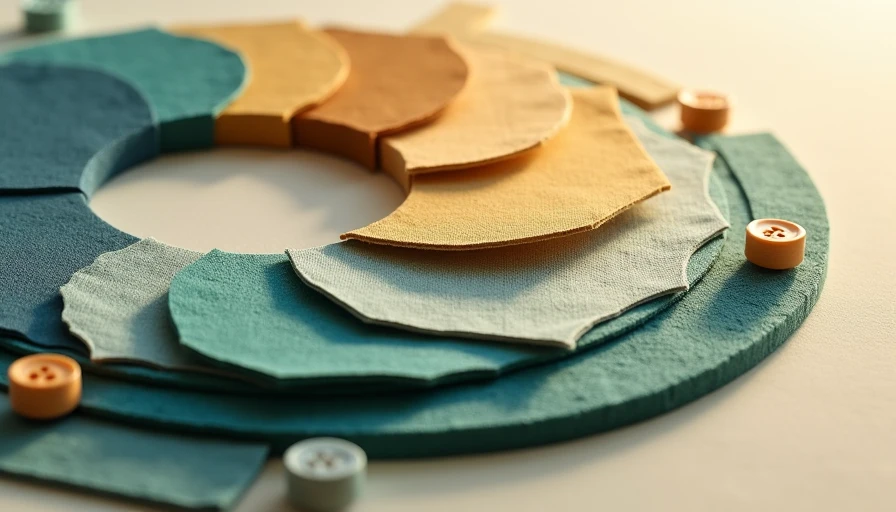
The fabric weight matters too. Most modern khakis use a 6-ounce twill. That's fine for an air-conditioned office. But for real wear, I look for 8 to 10 ounces. It drapes better, resists wrinkles, and doesn't wear through at the knees after six months. I've got a pair of vintage military-issue khakis from the 1950s—10-ounce cotton twill, still going strong. The color has faded to that perfect dusty olive, but the fabric is solid. That's khaki khaki khaki in action: the color, the cloth, and the category all working together.
The Construction Behind Quality Khakis
I took apart a pair of Carhartt B11s last year. They're a classic work khaki—double-front, hammer loop, the works. What impressed me wasn't the look. It was the internal structure. The crotch gusset was sewn with a chain stitch, which gives a little under stress. The buttons were metal, not plastic. The pocket bags were a heavy poly-cotton blend that doesn't rot from sweat. That's the kind of construction you want, whether you're on a job site or just walking around Portland. Khaki khaki khaki isn't a gimmick—it's a reminder that the best khakis are built for purpose.
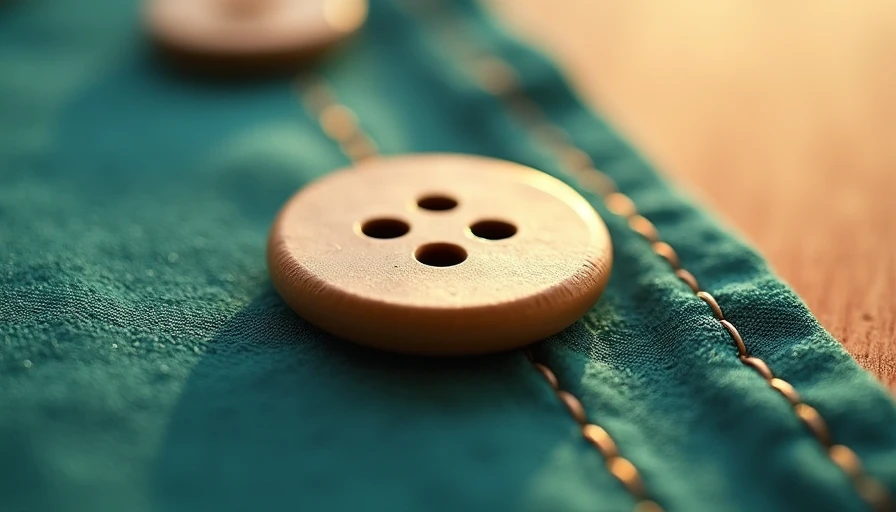
Now, what about fit? I'm not going to tell you to buy slim-straight or tapered. That's personal. But I will say this: a good pair of khakis should fit well at the waist without a belt, and the rise should be long enough that you don't have to adjust them all day. If you're buying vintage, look for a higher rise—that's the pre-1960s standard. It's more comfortable and looks better with a tucked-in shirt. I've modified a few pairs on my Singer machine, letting out the waist or hemming to the right length. It's worth the effort. Khaki khaki khaki is about making them yours.
How to Find Your Perfect Pair
Start with the fabric. Twill or canvas? Twill is softer, more versatile. Canvas is tougher, more rugged. Then check the hardware. Buttons should be solid—preferably metal or reinforced plastic. Zippers, if present, should be YKK or Talon. Then look at the seams. Are they felled or just overlocked? Felled seams lie flat and last longer. Finally, consider the source. I've had great luck with vintage military surplus, eBay finds, and heritage brands like Dickies, Carhartt, and Freenote Cloth. Newer fast-fashion khakis rarely make the cut. But when you find a pair that nails all four points, you'll understand why I keep coming back to that phrase: khaki khaki khaki.
Caring for Your Khaki Pants: Make Them Last
Once you've got your perfect pair, care matters. I wash my khaki khaki khaki pants inside out in cold water, then hang dry. Heat is the enemy—it breaks down cotton fibers and fades the color fast. If you must machine dry, use low heat and pull them out while slightly damp. Iron on medium with steam, but be careful: too hot and you'll get shine marks. For small tears, learn a basic patch stitch. I've saved two pairs that way. A good pair of khakis can last a decade if you treat them right. That's the real meaning behind khaki khaki khaki—not just a slogan, but a commitment to quality.
It's not just a word. It's a standard. A pair of pants that looks good, feels right, and stays with you for years. That's the kind of thing I write about on this blog—no hype, just honest construction. If you're into that, stick around. We've got more take-aparts, more tutorials, and more quiet appreciation for things made well. Good things last. Bad things don't.