Black Jeans and Denim Jacket: A Vintage Workwear Combo That’s Worth Taking Seriously
Black jeans and denim jacket is a classic combo. Here’s how to choose pieces that last, from stitching to fabric weight—no hype, just craft.
I’ve been wearing some version of black jeans and denim jacket for years. Not because it’s trendy—because it works. A good black jean and a sturdy denim jacket cover most of what I do: walking to the workshop, grabbing coffee, driving out to the Cascades with Maya. But not all black jeans and denim jacket combos are built the same. I’ve taken apart enough pairs to know what separates a five-year piece from a six-month disappointment.
What Makes a Good Black Jean?
Let’s start with the jeans. When I look at a pair of black jeans, I’m checking three things: fabric, hardware, and stitching. Fabric weight matters—14 oz or heavier holds its shape and doesn’t bag out after a day of wear. Look for a tight weave; loose weaves fade fast and blow out at the crotch. I’ve seen a lot of black jeans that use a sulfur dye. It’s fine for the first few washes, but it fades to a grayish brown over time. If you want a deep black that lasts, look for a garment-dyed or sulfur-dyed fabric with a rinse that locks the color. Brands like Iron Heart and The Flat Head do this right. Their black denim stays black after a year of regular wear.
Hardware is next. Button-fly vs. zipper-fly: I prefer buttons—fewer moving parts, easier to repair. Make sure the buttons are riveted, not stamped, and that the rivets are solid. I’ve seen cheap black jeans where the rivet popped off in the first wash. The hidden rivets on the back pockets are a nice touch—they don’t scratch furniture or car seats. And the coin pocket should be deep enough to actually hold a pocket knife or a lighter. Small details, but they add up.
Stitching: chain-stitch hem is ideal. It allows the fabric to knot and hold shape over time. Most mass-market jeans use a lock stitch, which is fine but won’t develop the same roping effect. The rise matters too. A mid-to-high rise sits comfortably under a jacket and doesn’t require a belt to stay up. I’ve been wearing a pair of Self Edge x SDA black jeans for two years now. The stitch count is 10 per inch—not the densest, but consistent. No loose threads.
Choosing a Denim Jacket That Lasts
A denim jacket is a different animal. The same rules apply—fabric, hardware, stitching—but the fit is more important. A jacket needs to layer. If it’s too tight, you can’t wear a flannel underneath. If it’s too loose, it looks like a hand-me-down. I look for a cut that’s trim in the shoulders and chest, with enough room in the arms to move. The shoulder seam should sit right at the edge of your shoulder, not creeping up or hanging off.
For black denim jackets, the fabric weight should be at least 14 oz. Lighter weights wrinkle and don’t drape well. I’ve handled a lot of jackets, and the Iron Heart IHJ-70 is a standout. It’s 21 oz black denim—heavy, but it breaks in after a month of wear. The snap buttons are dome-shaped and feel solid. The inner pocket is big enough for a phone and a wallet. The collar is lined with a soft twill that doesn’t rub your neck raw. I’ve had mine for three years, and it’s developed a subtle patina at the cuffs and elbows.
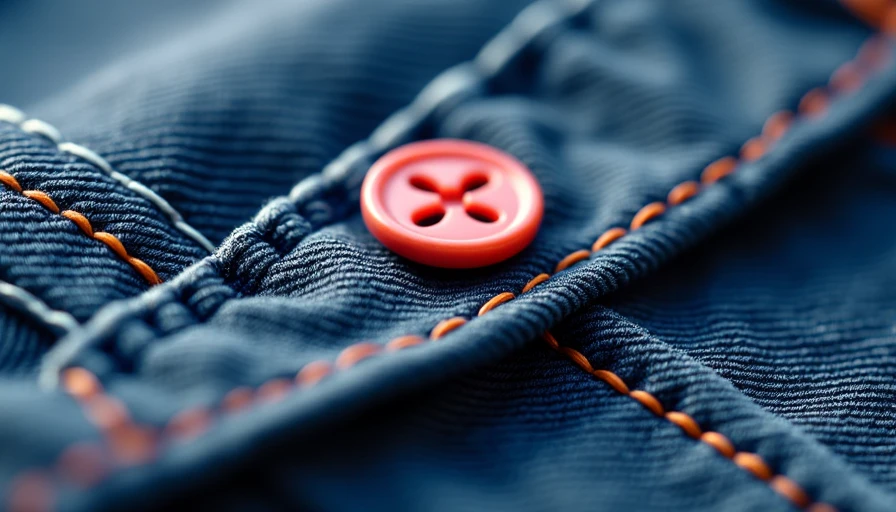
Stitching on the jacket: look for double-needle chain stitch on the seams. It’s more durable and allows the fabric to settle. The buttonholes should be reinforced with bartack stitching. On a recent take-apart, I found a jacket where the buttonhole thread was half the thickness of the fabric thread—it frayed after six months. A good brand won’t skimp there.
How This Outfit Wears Over Time
The beauty of a black jeans and denim jacket combo is how it ages. The black fades differently than blue. It goes from a deep, flat black to a dusty charcoal, with high-wear areas—knees, elbows, wallet pocket—becoming lighter. It’s subtle, not dramatic. The fades tell a story: where you sit, what you carry, how you move. I’ve seen jackets with a phone fade pattern on the left chest that’s perfectly outlined. That’s not a flaw; that’s memory.
Repairs are part of the deal. A blown-out crotch or a torn cuff isn’t the end. I’ve patched both on my own jeans with a denim patch and a chain stitch. It takes an hour and adds character. Same with a jacket button that pops off—just replace it with a matching one from a spare set. The best stuff is repairable.
Why I Stick With This Look
There’s no hype here. I don’t wear this combo because someone told me it’s cool. I wear it because it works. The black jeans and denim jacket pairing is practical: it’s dark, doesn’t show dirt easily, and goes with almost any shirt or boot. It’s a uniform that doesn’t require thought. And when you buy quality, you don’t have to think about replacing it every season.
That’s the quiet truth. Good things last. Bad things don’t. A well-made black jean and a solid denim jacket will outlive six fast-fashion outfits combined. I’ve taken apart both kinds, and the difference is visible at every seam. So if you’re looking for a black jeans and denim jacket that you can wear for years, ignore the trends. Focus on the stitch count, the hardware, the fit. Let the garment speak for itself.