Whitesville T Shirt: A Closer Look at the Construction
Whitesville t shirt review: fabric weight, stitch count, and fit. See what makes these Japanese tees a staple in vintage workwear. Good things last.
I've taken apart a lot of t-shirts. Most are just cheap jersey with a coverstitch that pulls apart in a year. The Whitesville t shirt is different. It's one of those pieces you buy once and forget about—not because it's boring, but because it works. No fading, no twisting, no collar that turns into a ruffle after three washes. I wanted to see why.
Whitesville has been making t-shirts in Japan since the 1940s. They're not flashy. You won't see logos or trendy cuts. What you get is a plain, heavy-weight cotton tee built to last. The kind of shirt you reach for on a Saturday morning and still wear five years later. Let me show you what's under the seams.
Fabric and Weight
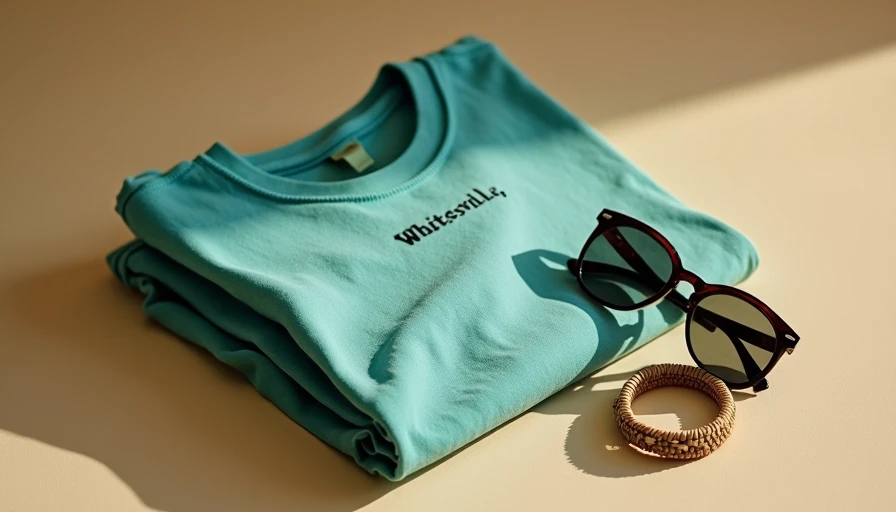
Most Whitesville t shirts use a 7.2 oz loopwheeled jersey. Loopwheeled fabric is made on old machines that knit the cotton in a slow, continuous tube. It gives the shirt a softer hand than modern flat-knit fabric, and it resists pilling because the yarn isn't under tension during knitting. The 7.2 oz weight is substantial—enough to hold its shape, not so heavy that you sweat through it in summer. I've washed mine dozens of times and the texture only gets better. No shrinking, no distortion.
Stitching and Construction
I unpicked the side seam on a Whitesville t shirt to see how it's put together. The main body uses a two-needle coverstitch with a chain stitch on the inside. That chain stitch is critical—it allows the seam to stretch with the fabric instead of snapping. The hem is a clean, narrow roll hem, not a bulky fold-over. Collar binding is a thick, ribbed tube that's sewn on with a flatlock seam. It doesn't stretch out like a standard T-shirt collar after repeated wear. The stitching is consistent: 8 stitches per inch throughout. Not cheap.
Fit and Wear
The Whitesville t shirt fits like a classic workwear tee. It's not slim, not boxy—just a straight cut with a slightly longer body length. The shoulders sit where they should. Sleeves have a gentle taper. I wear a medium and it feels right with a denim jacket or on its own. After a year of weekly wear, the collar is still snug, the hem hasn't rolled, and the fabric hasn't faded unevenly. That's rare for any t-shirt under $100.

Why It Matters
There are plenty of t-shirts out there. Most are designed to be replaced. The Whitesville t shirt is designed to be worn. It's not about status or brand names—it's about buying something once and owning it for years. If you're tired of thin, disposable tees, this is the upgrade. A good tee doesn't need to shout. It just needs to hold up. The Whitesville t shirt does that.
How Whitesville Compares to Other Heavyweight Tees
When you start looking at high-quality t-shirts, Whitesville isn't the only option. Brands like Merz b. Schwanen (Germany) and The Loopwell (Canada) also make loopwheeled tees. How does the Whitesville t shirt stack up? Let's break it down by the numbers.
**Fabric origin and weight:** Whitesville uses Japanese cotton, loopwheeled at 7.2 oz. Merz b. Schwanen uses organic Supima cotton from the US in a 7 oz loopwheeled jersey. The Loopwell offers a 6.5 oz and a 8.5 oz option. Whitesville hits a sweet spot—heavy enough for structure, light enough for layering.
**Stitching and construction:** All three use a two-needle coverstitch with chain stitch, but Whitesville's stitch count is a consistent 8 SPI (stitches per inch), while Merz uses 7 SPI and Loopwell uses 9 SPI. Higher SPI generally means stronger seams, but too high can make the fabric pucker. Whitesville's 8 SPI is a balance that holds up after repeated washes.
**Collar:** Whitesville's collar is a thick ribbed tube with flatlock seam. Merz uses a similar construction but with a slightly thinner ribbing. Loopwell uses a reinforced collar tape. After a year of wear, the Whitesville collar remains snug, while some Merz owners report slight stretching. Loopwell's tape can add stiffness.
**Price and value:** A Whitesville t shirt typically retails for $45–$55. Merz b. Schwanen is around $70–$80. Loopwell is $40–$50. Whitesville sits in the middle, but the combination of Japanese cotton, consistent stitching, and proven longevity makes it a strong value. You're paying for a shirt that will outlast a dozen fast-fashion tees.
**Longevity:** I've worn Whitesville shirts for over two years without noticeable fading, collar distortion, or seam failure. That's rare at any price. Merz tees also hold up well, but the price premium doesn't always translate to better durability. Loopwell is a close contender, but its 8.5 oz version can be too heavy for summer.
If you're comparing, the Whitesville t shirt offers the best balance of weight, construction, and price. It's not the cheapest, but it's built to be the last one you buy.
Final Thoughts
I've seen the inside of a lot of clothing. Most of it is disappointing. The Whitesville t shirt isn't. It's a reminder that good construction doesn't have to be complicated—just careful. If you appreciate things made well, this is worth the money. Good things last. Bad things don't.