Vintage Inspired Caps: Why They Outlast the Trend
Vintage inspired caps offer more than style—they bring quality construction that lasts. Here's what to look for when choosing one that won't fall apart.
I found my first good cap at a Portland estate sale. It was a wool six-panel from the 50s—not a brand I recognized, but the stitching was clean, the brim had a twill edge that held its shape, and the sweatband was still supple. That cap taught me something: vintage inspired caps aren't just about looking retro. They're about construction that holds up.
Since then, I've taken apart a dozen or so caps—modern and old. The good ones share a few things in common. The bad ones? They usually fall apart at the seams before you've worn them a season. Let me show you what I've found.
What Makes a Cap “Vintage Inspired”?
It's not a logo slapped on a snapback. Vintage inspired caps borrow details from earlier eras—the 1920s newsboy, the 1940s driver cap, the 1950s baseball cap. The key is in the materials and the way they're put together.
A true vintage inspired cap uses wool or sturdy cotton twill. The brim is often felted or has a wire edge that can be shaped—not that stiff plastic that cracks after a few rains. The sweatband is leather or a thick cotton webbing, not foam. And the crown is sewn with a six-panel or eight-panel pattern, giving it structure that doesn't collapse.

I've handled caps from brands like Ebbets Field Flannels, Mayser, and even vintage Woolrich. The difference between those and a cheap fast-fashion cap is immediate when you hold them. The fabric has weight. The seams are straight. The button on top is fabric-covered, not plastic.
A Few Caps I’ve Taken Apart
A while back, I cut open a modern “vintage style” cap from a popular brand. Inside, the sweatband was a thin strip of synthetic leather glued onto a foam strip. The brim had a plastic insert that bent permanently after a warm day in the car. The panels were fused with interfacing to give them shape—but after one wash, the interfacing separated.
Then I took apart a 1950s cap I'd found at a flea market. The sweatband was cowhide, stitched to the crown with a lockstitch. The brim was layered wool felt with a wire edge sewn in place. The panels were cut from a single piece of wool—no interfacing needed because the fabric itself had body. That cap had been worn for decades. The only damage was a small moth hole.
That's the difference. Vintage inspired caps that respect the original designs use materials that age well. They don't rely on glue. They use thread and needle.
How to Spot a Well-Made Vintage Inspired Cap
When you're shopping for vintage inspired caps, here's what to check before you buy:
- **Material.** Wool, cotton twill, linen. Stay away from polyester blends if you want durability. Polyester fuzzes and pills. Natural fibers breathe and soften with time.
- **Sweatband.** Leather or thick cotton webbing. Leather molds to your head over time. Cotton webbing is easier to wash. Both are better than foam.
- **Brim.** It should be stiff but flexible. If it's hard plastic, it'll snap. A felted or layered brim with a wire edge is best—you can shape it.
- **Stitching.** Look at the six or eight panel seams. They should be straight, with no loose threads. The top button should be the same fabric as the cap, not plastic.
- **Hardware.** If it has an adjustable strap, the buckle or snap should be metal, not plastic. Plastic snaps break.
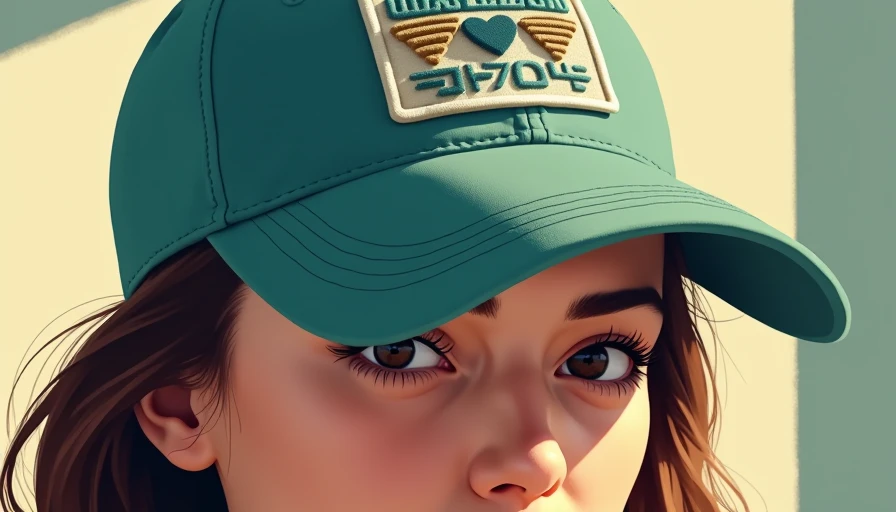
I've bought caps from Ebbets Field Flannels (their wool gems are solid), from individual makers on Etsy who hand-cut and sew each cap, and from vintage stores. The best ones are the ones where every detail is there for a reason—not for fashion, but for function.
Caring for Your Vintage Inspired Cap: Simple Steps to Make It Last
Even the best-made cap needs some care. Here are a few things I've learned that keep my vintage inspired caps looking good for years.
- **Spot clean, don't soak.** Wool caps shrink if you submerge them. Use a damp cloth with mild soap to rub out stains. For cotton twill, a gentle hand wash is okay, but no wringing—reshape and air dry.
- **Store it right.** Don't throw your cap in a drawer. Keep it on a hook or shelf so the crown keeps its shape. If you travel, stuff the crown with a t-shirt to stop it from collapsing.
- **Watch the sweatband.** Leather sweatbands absorb sweat. After a sweaty day, turn the cap inside out and let it dry before storing. If it starts to smell, a light rub with rubbing alcohol on a cotton ball will disinfect without damaging the leather.
- **Condition the leather (if needed).** Once a year, apply a small amount of leather conditioner to the sweatband. It keeps it supple so it doesn't crack.
I've had a cotton twill cap from Ebbets for five years. I wash it maybe once a year—just a quick hand rinse in cold water—and it looks nearly new. The key is not to put it in the washing machine. The agitation will break the brim edge and mess up the panels.
Final Thoughts
Vintage inspired caps aren't just a style choice. They're a way to own something that was designed to be worn, not just looked at. I've worn my Ebbets cap for three years now—hiking, driving with the windows down, working in the garage. It's held up. The sweatband has darkened from use, the wool has softened, and the brim has taken on the shape of my car's headrest. It looks better now than when I bought it.
Good things last. Bad things don't. If you're going to buy a cap, buy one that was made to age. Vintage inspired caps, when they're made right, do exactly that.