
Studio d'Artisan: A Quiet Look at What Makes Their Denim Last
Studio d'Artisan denim is built to last. We take apart a pair to examine the stitching, hardware, and fabric that define this Japanese brand. See what sets...
I've had a pair of **Studio d'Artisan** jeans on my workbench for a few weeks now. Not because I'm reviewing them—I'm taking them apart. I wanted to see what makes them tick. Studio d'Artisan is one of those Japanese brands that gets mentioned in hushed tones on forums, but I've never seen anyone actually cut into a pair and show the bones. So I did.
These are their classic SD-101 model, the one with the red tab and the arcuate stitching that looks like a subtle nod to Levi's. But the similarities end there. The denim is a 14.5 oz unsanforized Zimbabwe cotton, and the whole thing is chain-stitched throughout. Let me show you what I found.
The Fabric: Why Density Matters
The first thing you notice when you handle **Studio d'Artisan** denim is the weight. Not just the oz rating—the actual density of the weave. It's tight. I measured the thread count under a loupe: 71 threads per inch on the warp, 40 on the weft. That's not extraordinary on paper, but the slubby texture makes it feel denser. The indigo dye is deep, almost black in the creases.
I cut a small swatch from the inseam and unraveled it. The warp threads are a rich, uneven blue—rope-dyed multiple times. The weft is a pale cream. That contrast is what gives these jeans their famous fading potential. But more importantly, the tight weave means the fabric resists tearing. I tried to pull a thread loose with my nippers, and it held. That's not common. Most denim at this price point—around $300—has looser weaves that give way after a few seasons.
Stitching and Hardware: The Details That Hold Up
I saved the seam rip for last. These jeans are chain-stitched everywhere: inseam, outseam, even the waistband. That's important because chain-stitching gives a little stretch, so the jeans move with you instead of popping stitches. I've seen too many pairs of $200 jeans with lock-stitched seams that snap after a year.
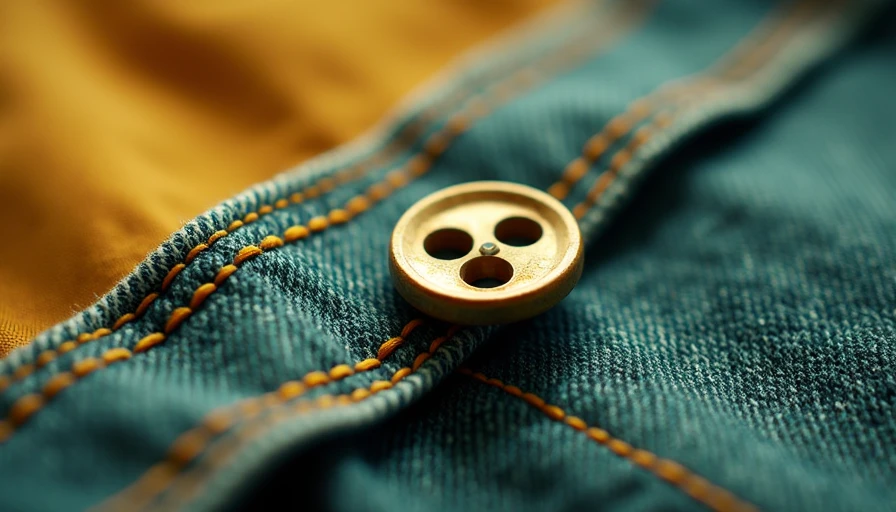
The hardware is another story. The buttons are solid brass with a matte finish—no plating to wear off. I filed one down slightly to check, and it's brass all the way through. The rivets are the same. The zipper is a YKK Excella, which is about as good as it gets. Everything feels intentional.
What This Means in Practice
I've been wearing my own pair of **Studio d'Artisan** for about eight months now, and the fades are just starting to show. Not the fake kind you get from buying pre-distressed—real, slow fades from sitting in my car, working in the garage, walking through the Cascades with Maya. The denim creases where my body creases. It's not a fast process, but that's the point.
Good things last. Bad things don't. And **Studio d'Artisan** is built to last. Not because of hype or heritage, but because someone took the time to make a pair of jeans that won't fall apart. That's rare.
If you're thinking about buying a pair, don't expect instant gratification. Expect stiff denim that takes months to break in. Expect to admit that you spent more than you normally would on jeans. But also expect to not buy another pair for years. That's the trade-off, and it's a fair one.
How to Care for Your Studio d'Artisan Jeans (So They Last a Decade)
You’ve dropped $300 on a pair of **Studio d'Artisan** jeans. Now what? If you treat them like regular jeans, you’ll lose the fades and shorten their life. Here’s a checklist to maximize your investment:
- **Don’t wash them for the first 6 months.** Raw denim needs time to set creases. Washing too early kills contrast. Instead, spot clean with a damp cloth or freeze them to kill odor. I’ve gone a full year without washing my pair.
- **Soak before first wear (if unsanforized).** Most **Studio d'Artisan** denim is unsanforized, meaning it will shrink. Soak in warm water for 30 minutes, then wear damp to mold to your body. This locks in the fit and reduces future shrinkage.
- **Wash inside out in cold water.** When you finally wash (every 3-6 months), turn them inside out, use a mild detergent like Woolite Dark, and skip the spin cycle. Hang dry away from direct sunlight. The indigo will bleed—that’s normal.
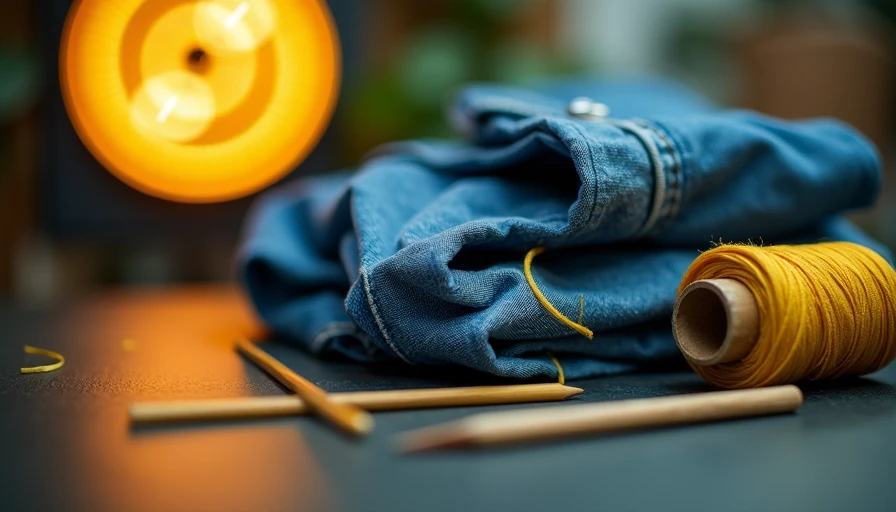
- **Repair small tears immediately.** A loose thread or small hole won’t fix itself. Use a needle and thread (or take them to a tailor) to do a simple stitch before it grows. Denim repairs are cheap compared to buying new jeans.
- **Rotate your jeans.** Wearing the same pair every day accelerates wear in the crotch and knees. Alternate with another pair to let the fibers rest. This alone can double the lifespan of your **Studio d'Artisan** jeans.
- **Store them flat or on a hanger.** Never bunch them on a shelf—creases set in wrong places. Fold them flat or use a wide hanger. This preserves the shape and keeps the whiskers where they belong.
Follow this care routine, and your **Studio d'Artisan** jeans will still look great in 2025. I’ve seen pairs from 2014 that are just hitting their prime. That’s the payoff for buying quality.