The Mock Turtleneck: A Stitch-Level Look at a Quiet Classic
Explore the mock turtleneck from a craftsman's view. We take apart a vintage mock turtleneck to reveal stitch types, fabric weight, and why good things last.
I’ve never been a turtleneck guy. Too tight, too fussy, that folded-over collar always feels like it’s trying too hard. But the **mock turtleneck**? That’s different. It’s the work boot of necklines—functional, understated, built to last. I’ve been wearing one from a small Japanese maker for the last two winters, and last week I finally took it apart to see what makes it tick.
First, a quick definition: a mock turtleneck has a short, stand-up collar that’s usually knit as part of the body—no fold-over, no seam at the top. It’s like a cross between a crewneck and a full turtleneck, but it stays out of your way. No bunching under a jacket, no constant adjusting. It just sits there and does its job.
What Is a Mock Turtleneck, Exactly?
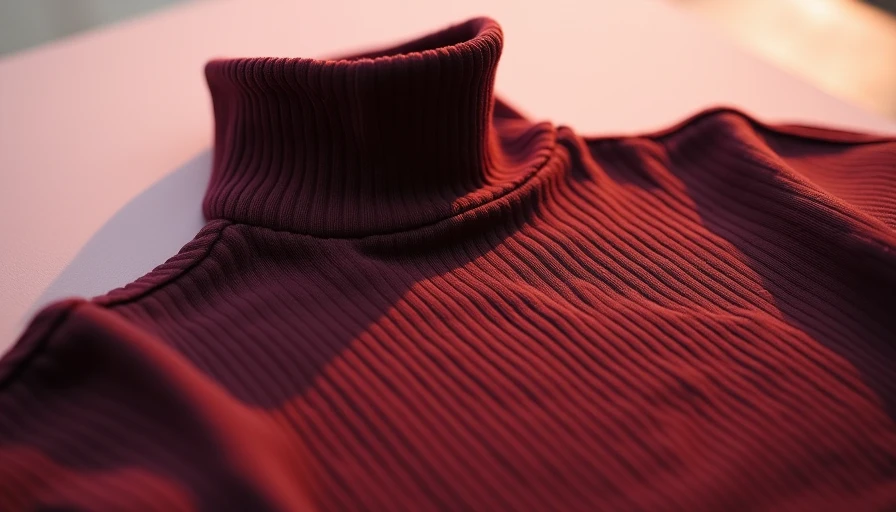
The **mock turtleneck** is a specific construction. The collar is typically 1.5 to 2 inches tall, knitted in a rib pattern that gives it stretch and recovery. Unlike a traditional turtleneck (which has a separate folded-over piece), the **mock turtleneck** collar is a single layer of fabric that extends up from the body. That means no seam at the top to irritate your neck, and no extra bulk when you layer a flannel or denim jacket over it.
I’ve seen them in everything from thin merino to heavy cotton jersey. The one I took apart is a 12-ounce organic cotton knit—substantial enough to hold its shape, but not so heavy that it feels like a sweater. The ribbing on the collar is 2x2, which gives a nice balance of stretch and structure.
Taking It Apart: Stitch and Fabric Details
Here’s what I found when I cut the seams open. The body is made from a single piece of fabric—tube-knit, so there’s no side seam. That’s a good sign. Side seams mean extra cutting and sewing, which is fine, but a tube-knit body means less waste and a cleaner fit. The sleeves are set in with a flat-felled seam, similar to what you’d see on a good denim shirt. That seam takes more time to sew, but it’s stronger and lies flatter than a simple overlock.
The collar is attached with a coverstitch, three needles, two threads. It’s a clean finish that allows the collar to stretch without popping stitches. On the inside, the seam allowance is bound with a strip of jersey—another detail that signals quality. Cheap **mock turtlenecks** use a serged edge that can fray over time; the binding keeps everything tidy.
Fabric-wise, the knit is tight and even. No slubs, no thin spots. The weight is consistent from the hem to the collar. That matters because a **mock turtleneck** gets a lot of stretch at the neck—if the knit is uneven, the collar will warp after a few washes. This one is holding up well after two years of regular wear and cold-water washes.
Why It Works in a Workwear Wardrobe
A **mock turtleneck** is a natural fit for the workwear aesthetic. It’s minimal—no logos, no patterns, no zippers. Just a solid piece that layers cleanly under a chore coat, a canvas jacket, or even a flannel. I’ve worn mine with a pair of raw denim and Red Wing boots, and it doesn’t feel like I’m trying to look like a 1950s dockworker. It just looks like I’m dressed for the day.
The mock turtleneck also solves a problem that turtlenecks create: overheating. Since the collar isn’t doubled over, there’s less insulation around your neck. That makes it a better three-season piece. I can wear mine from October through April, paired with a lightweight jacket in fall and a heavy wool coat in winter.

How to Spot a Well-Made Mock Turtleneck
If you’re shopping for a **mock turtleneck**, here’s what I look for:
- **Fabric weight:** At least 10 ounces per yard for cotton knits. Lighter weights will lose shape quickly. Merino should be around 200-220 gsm.
- **Collar construction:** The collar should be ribbed, not plain knit. Ribbing provides the stretch needed for the collar to stay snug without sagging.
- **Seam finish:** Look for flat-felled or bound seams on the sleeves and shoulders. Overlocked seams are fine for a casual piece, but they won’t hold up as long.
- **No side seams:** Tube-knit body is a sign of quality. It means less cutting, less sewing, and a smoother fit.
I’ve seen well-made **mock turtlenecks** from Velva Sheen, Buzz Rickson’s, and S.E.H. Kelly. Prices range from $80 to $150. The Japanese and American-made versions tend to have the best construction—the mass-market stuff often uses thinner fabric and simpler seams. But you don’t need to spend a fortune. A vintage **mock turtleneck** from a thrift store can be just as good, as long as the fabric hasn’t worn thin.
Final Thoughts
Good things last. Bad things don’t. The **mock turtleneck** is a good thing. It’s simple, practical, and well-made versions will outlast a dozen trendy fast-fashion tops. I’ve got three now—one heavy cotton, one merino, one slightly thinner for layering. They’re the first things I pack for any trip where I need to dress without thinking. That’s the point, isn’t it? Clothes that don’t demand attention, but do their job so well you forget you’re wearing them. That’s the **mock turtleneck** for me.