Japanese Outerwear Brands: A Look Inside the Construction
Discover what makes Japanese outerwear brands stand out. From fabric to hardware, see why these jackets are built to last. A detailed guide for...
I've spent a lot of time in my garage with a seam ripper. Most of my work focuses on denim, but over the past year I've started taking apart jackets. Specifically, Japanese outerwear brands. There's a reason these pieces command high prices and loyal followings. It's not hype. It's the construction. The fabric, the stitching, the hardware — they're all a step above what you'll find in most department stores. And when you see the inside, it makes sense.
Why Japanese Outerwear?
Japanese outerwear brands don't cut corners. Many of them reproduce vintage military and workwear patterns from the 1940s and 50s, but they use modern materials and tighter quality control. I recently took apart a Buzz Rickson's MA-1 flight jacket. The shell is a high-count nylon that feels thicker and more substantial than standard issue. The lining is a tight weave that doesn't pill. Every seam is bound with a grosgrain tape that prevents fraying. Compare that to a replica from a fast-fashion brand, and the difference is immediate — loose threads, uneven seams, cheap zippers. With Japanese brands, every detail has a purpose. They're not trying to save a nickel on thread.
Breaking Down the Details
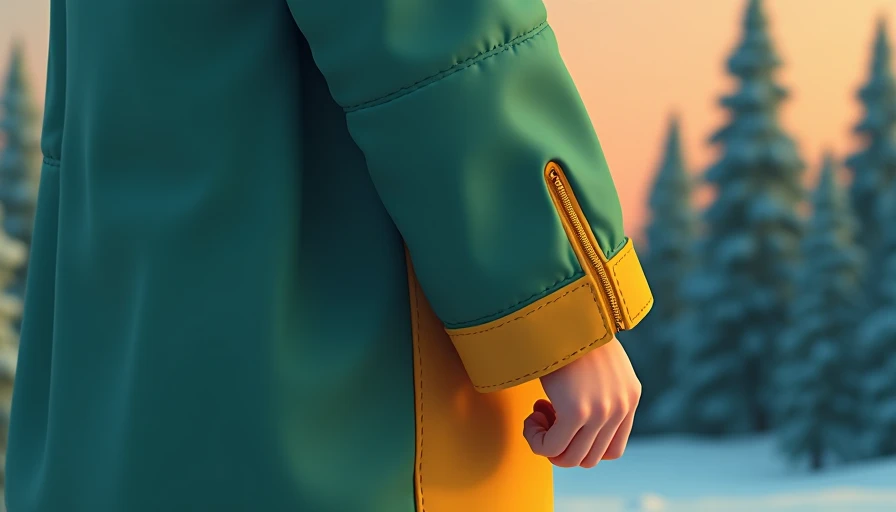
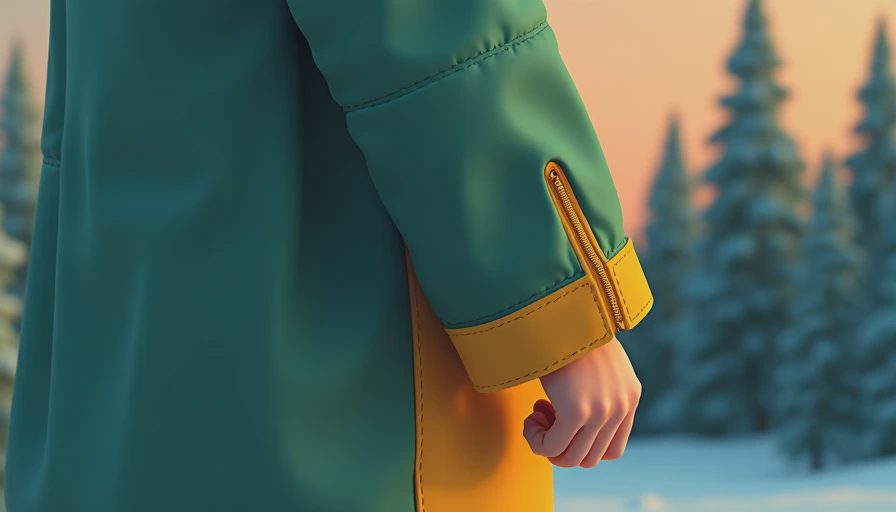
Let's talk specifics. The zippers on most Japanese outerwear brands are made by YKK or Talon, but they're often the same heavy-duty models used in the original military specs. Buttons are usually urea or Corozo, not plastic. The pocket linings are usually a cotton twill that breathes and won't tear after a few wears. I've seen jackets from Iron Heart where the pocket bags are cut from the same denim as the body — overkill, but it shows the mindset. Even the thread matters. Many brands use a bonded nylon thread that's stronger than cotton, but they'll also use a cotton thread for certain visible seams to maintain a vintage look. It's a balance of authenticity and durability.
Stitch Counts and Seam Construction
One thing I always check is the stitch count. Japanese outerwear brands typically use 8-10 stitches per inch on visible seams, while many mainstream jackets use 5-6. That extra density means the seam is stronger and less likely to unravel. The seam types are also different. A genuine Japanese reproduction will use a felled seam or a flat-felled seam on the shoulders and side seams, not a simple overlock stitch. I've taken apart a Sugar Cane denim jacket and photographed the seam structure. The layers are stacked and folded, then stitched down. That's why they hold up for decades.
Hardware and Fasteners
The hardware is another giveaway. Japanese outerwear brands often use solid brass or steel rivets, not plated aluminum. The snap buttons are usually a spring-loaded type that stays shut under pressure. I've compared a snap from The Real McCoy's to a snap from a typical workwear brand. The McCoy's snap has a heavier spring and a thicker post. It costs more to manufacture, but it won't loosen up after a hundred openings. The zipper pulls are sometimes solid metal with a recessed logo, not a stamped piece of tin. These are small details, but they add up over the life of the jacket.
Price vs. Value
Yes, Japanese outerwear brands cost more. A good jacket from The Real McCoy's or Sugar Cane will run you $400 to $700. That's more than a mall brand, but you're getting a jacket that will last ten years or more with proper care. I've handled jackets from these brands that have been worn daily for five years and still look great. The leather patches develop a nice patina, the cotton fades slowly, and the hardware doesn't pop off. Compare that to a $150 jacket that starts showing wear after one season. The math is simple if you plan on keeping it.
A Few Brands I Keep Coming Back To
If you're new to Japanese outerwear brands, start with Buzz Rickson's. Their flight jackets and deck jackets are reproductions that are almost indistinguishable from originals — but they fit a modern body better. The Real McCoy's is another solid choice, especially for their A-2 leather jackets. The leather is thick and the stitching is precise. Iron Heart makes denim jackets that are built like tanks, with heavy hardware and reinforced stress points. And if you want something lighter, Sugar Cane makes a great Type II denim jacket with a perfect mid-wash.
Care and Maintenance Tips
Owning a jacket from one of these Japanese outerwear brands means you'll want to take care of it properly. First, avoid dry cleaning unless absolutely necessary. The chemicals can break down the fibers and dull the finish. For leather jackets, use a conditioner every six months and store in a breathable garment bag. For nylon flight jackets, spot clean with mild soap and air dry. Denim jackets shouldn't be washed often — every six months or when they start to smell is enough. When you do wash, turn them inside out and use cold water. Hang dry. And always check the care tag first. Some brands like The Real McCoy's include specific instructions that differ from standard recommendations. Following these guidelines will help your jacket develop character over years of wear.
Final Thoughts
Japanese outerwear brands aren't for everyone. If you just need something to throw on for a season, you can find cheaper options. But if you appreciate good construction and want something that will age well, they're worth the investment. I've taken apart enough jackets to know that the difference is real. The thread count, the fabric weight, the finishing — it all adds up. Good things last. Bad things don't.