
How to Make Pants Tighter – A No-Fuss Guide to Taking In Your Waist and Legs
Learn how to make pants tighter with simple sewing adjustments. From waistbands to inseams, Silas shows you practical steps to get the perfect fit without...
I’ve taken apart a lot of pants over the years, and one thing I’ve learned is that a good pair deserves to fit right. If you’ve got a pair that’s a little loose in the waist or baggy in the legs, you don’t have to give up on them. Knowing **how to make pants tighter** is a skill that’ll save your favorite jeans from the back of the closet. Whether it’s a vintage pair you scored secondhand or a modern cut that’s just off, a few stitches can fix it. Let me show you how.
Why Alter Instead of Replace?
Replacing pants is expensive, especially if you care about quality. A well-made pair—something with a solid chain-stitch hem, good hardware, and strong fabric—can cost over $200. Spending an hour with a needle or sewing machine is a fraction of that. Plus, you keep the wear and character that took months to build. I’ve altered my own jeans more times than I can count. Learning **how to make pants tighter** means you’re not at the mercy of off-the-rack sizing. It’s a practical skill that pays for itself. And honestly, there’s something satisfying about wearing clothes you’ve tweaked to fit exactly right. Good things last. Bad things don’t.
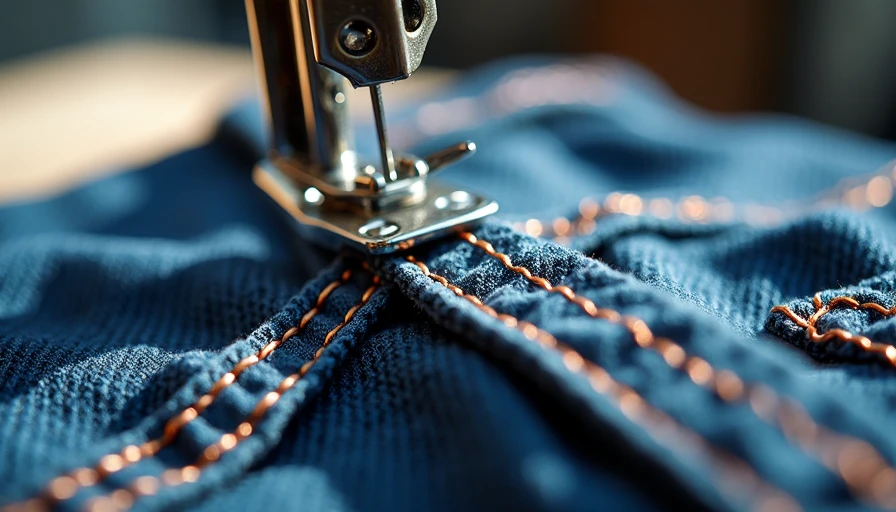
Tools You’ll Need
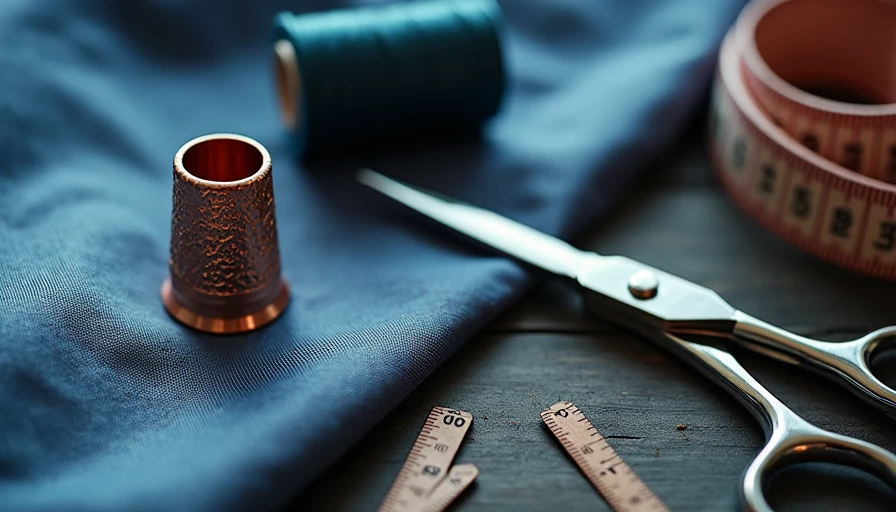
Before you start, gather what’s required. A seam ripper, matching thread, a sewing machine (or needle if hand-sewing), pins, and an iron. Measure twice, cut once. For jeans with a thick waistband, a heavy-duty needle helps. If you’re taking in the seat or inseam, a curved needle is handy. Don’t skip the iron—pressing seams flat makes the alteration look professional. Most of these tools cost under $20 total. The only expensive part might be a sewing machine if you don’t own one, but second-hand machines are cheap. With these, you’re ready to learn **how to make pants tighter** step by step.
Taking In the Waistband
The waist is where most pants need adjusting. Turn the pants inside out and put them on. Pinch the excess fabric at the back center seam (or sides if the seat is loose). Pin it from the waistband down about 4 inches. Remove the pants, then sew along the pinned line—start from the top of the waistband and taper to nothing at the hip. Trim the seam allowance to ½ inch, zigzag the edge to prevent fraying, and press. This method works for both dress pants and jeans. If the waistband itself is too big, you’ll need to open it, cut the elastic or interfacing, and reattach. That’s more advanced, but the basic pinch-and-sew works for most. Practice **how to make pants tighter** on a pair you’re not precious about first.
Slimming Down the Legs
Baggy legs, especially from the knee down, make pants look sloppy. Put the pants on inside out and pin the excess along the inseam or outseam—whichever you prefer. I usually go with the inseam because it’s less visible. Pin from knee to hem, keeping the taper gradual. Try them on, check the fit, then sew. Use a straight stitch and backstitch at the ends. Trim the excess, finish the edge with a zigzag or serger, and press. This is one of the most immediate ways **how to make pants tighter** changes the silhouette. Modern raw denim often comes straight-leg; tapering the lower leg gives you a more contemporary fit without losing the vintage character.
Tapering from the Knee Down
If your pants are only loose below the knee, a full leg slim is overkill. Instead, taper from just above the knee cap to the hem. Mark the new inseam line while wearing the pants, then sew from knee to hem. Remove the original hem, taper the fabric, reattach the hem. It takes a bit more work but preserves the thigh fit. I’ve done this on a pair of Iron Hearts and they came out perfect. **How to make pants tighter** at the bottom is a common request, and this method keeps the vintage feel while giving you a cleaner line.
When to Call a Tailor
Not every alteration is DIY. A vintage store finds with intricate seams or pocket construction? Let a pro handle it. Tailors charge around $20-$40 for waist or leg adjustments, which is still cheaper than new pants. If you’re unsure about **how to make pants tighter** without ruining them, ask a tailor to walk you through it. Some will even show you the technique. But for most simple adjustments, you can do it yourself. Trust your hands, go slow, and remember—good things last.
Final Thoughts
Altering your own pants feels good. It’s respectful to the garment, your wallet, and your own taste. I’ve been doing this for years, and every pair I’ve taken apart taught me something new. If you’re starting out, practice on thrifted pants. Soon you’ll be able to rescue any pair that’s a little off. That’s the point of **how to make pants tighter**—not just a fix, but a skill that keeps your wardrobe alive.