How to Sew a Chain Stitch Hem on an Ordinary Sewing Machine
Set your machine to the longest stitch setting. Sew a straight hem. Then hand-loop the top thread through the bottom thread every few stitches. It won’t look factory. It’ll look handmade. That’s fine. Practice on cheap pants first. I messed up three times before it worked.
You don't need a special machine. I don't own one either. Most chain stitch hems come from those old Union Special machines. They cost thousands. They weigh as much as my car.
I can't afford that.
But I figured out a workaround. It's not perfect. It won't look exactly like Japanese denim hems. Close enough though. And you can do it tonight.
What You Need
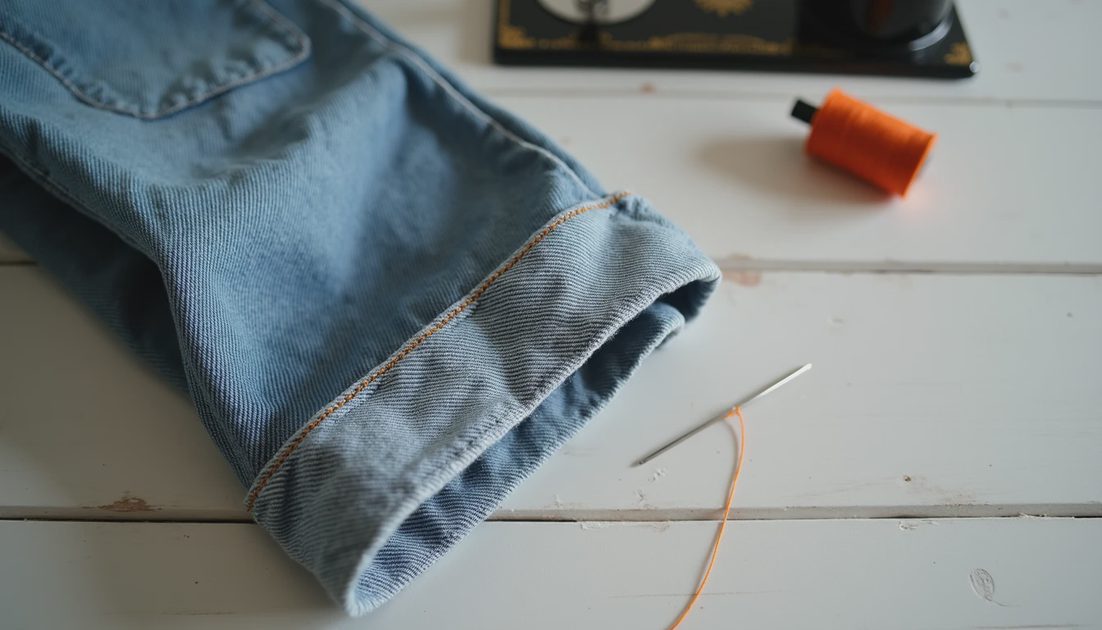
Any home sewing machine. Thread. Your pants. A hand sewing needle. That's it.
Wait—your machine has to do a certain thing. Look at the stitch settings. See that little picture that looks like dots in a row? That's a straight stitch. Now look for one that looks like little dashes. That's a basting stitch. The basting stitch makes longer spaces between stitches. That's how you fake a chain stitch.
Set your machine to the longest stitch length. Longest one. Three or four millimeters. Most machines can do this.
The Trick
Chain stitch works because it loops on itself. Your home machine can't do that automatically. So you'll do half the work by hand.
Here's how:
Hem your pants normally with a straight stitch. Fold the fabric up. Sew around. That's your base.
Now go back over that same hem with the basting stitch. Long stitches. Right on top of the straight stitch.
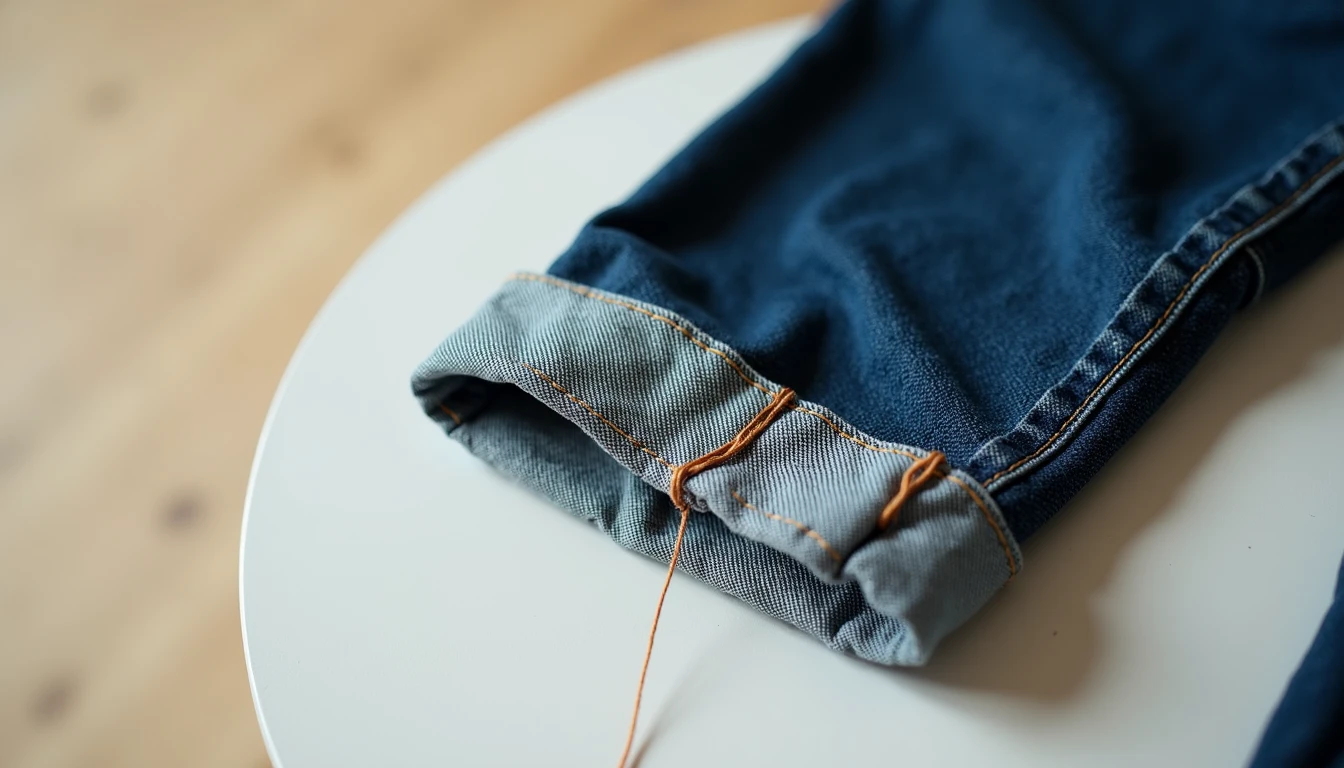
Flip the pants inside out. You'll see two rows of thread on the underside. Take your hand needle and loop the top thread through the bottom thread. Every few stitches. Just pull one loop through the next.
This sounds weird. I know. I read it in an old sewing book and tried it. Worked fine.
The Messy Part
It won't look factory. Factory chain stitch uses a looper arm you can't replicate. Your version will be a little uneven. Some loops will be tighter than others.
That's fine. Real vintage hems aren't perfect either.
I messed this up the first three times. First try, I used normal stitch length. Didn't work—no loop texture. Second try, forgot to do the hand loops. Just looked like bad straight stitching. Third try, pulled too tight and the hem puckered.
Fourth try worked. Sort of. Maya said it looked "handmade." I took that as a compliment.
When to Skip This
Don't do this on expensive jeans. Practice on old pants first. Cheap khakis. Sweatpants you don't care about. Once you get the feel, then try your good stuff.
Also skip if your machine doesn't have a basting stitch. Some cheap ones only do one length. That's fine. Just do a straight stitch and call it done. Lock stitch hems hold up better anyway.
The Honest Truth
This method fakes the look but not the structure. Real chain stitch breathes and ropes over time. This version just looks like chain stitch. It won't age the same way.
But most people can't tell. I can. You might after practicing. But strangers on the street? No.
I still use lock stitch for pants I actually wear hard. Chain stitch for the ones I post photos of. That's the honest answer.
Try it. Mess it up. Try again. That's how I learned.